
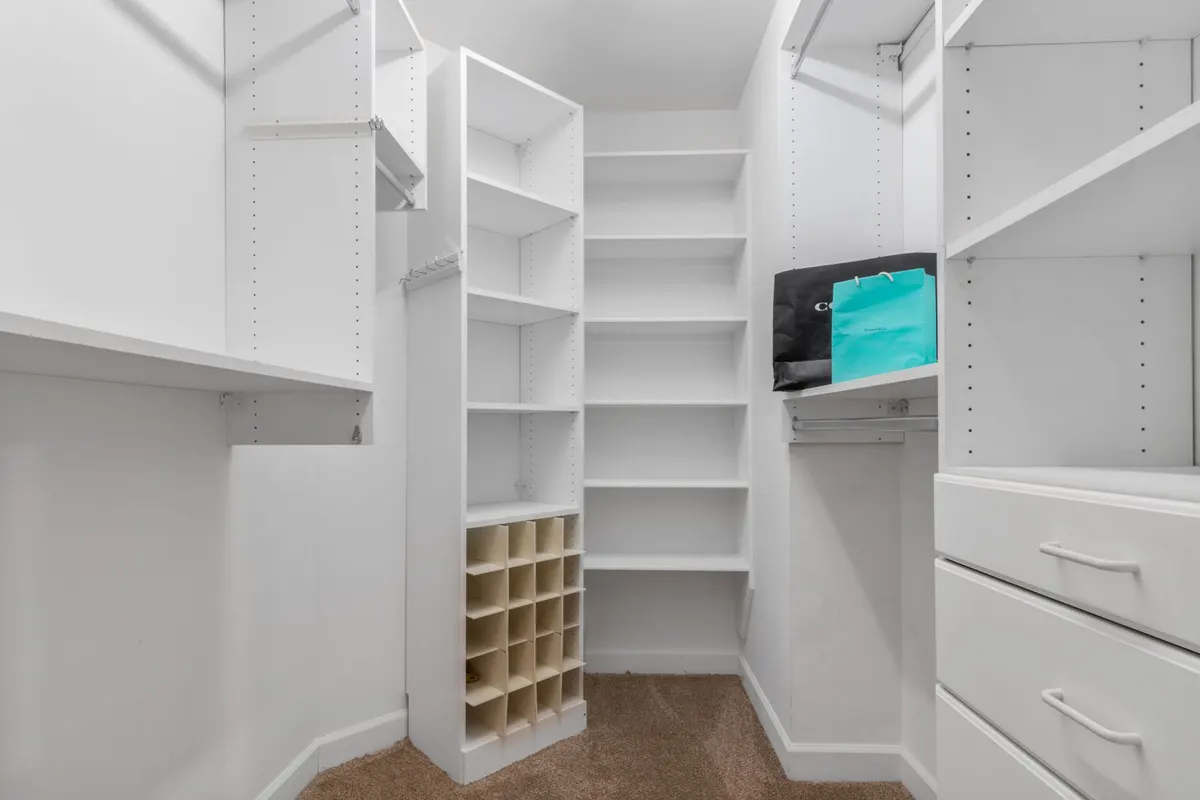
How to Build a Custom Wire Closet Organizer System
Design and install a sturdy wire shelving closet system with hang rods and drawers, using standard parts and basic tools. Perfect for renters and DIYers.
Difficulty
intermediateTime
4–6 hours
Est. cost
$80–$150
Tools you'll need
- Cordless drill driver — our review
- Stud finder
- Level
- Tape measure
- Pencil
- Wire cutters (or aviation snips)
- Socket or nut driver for supplied hardware
Materials
- Wire shelving kit (e.g., ClosetMaid or similar brand) with brackets, track, and clips
- Closet rod and flange brackets (adjustable or fixed length)
- Wall anchors and screws (if installing into drywall without studs)
- Plastic shelving end caps (optional but recommended)
- Leveling shims (optional)
Step-by-step
- 1
Plan the layout and measure the space
Clear the closet completely and measure the width, depth, and height. Decide where each shelf and rod will go. A typical reach-in closet has a shelf at about 72 inches high for adult clothes, with a rod 12–18 inches below the shelf. For double hanging, space shelves 36–42 inches apart. Mark the wall with pencil at the desired shelf heights.
- 2
Locate studs and mark mounting points
Use a stud finder to locate wall studs. Most closets have studs 16 or 24 inches on center. Mark each stud center vertically at the shelf heights. If your shelf track must go between studs, you'll need heavy-duty wall anchors rated for at least 50 pounds per shelf bracket. Draw a level horizontal line at each shelf height as a reference.
- 3
Install the wall track (or brackets)
Cut the horizontal track to width using wire cutters or a hacksaw. Align the track with the reference line and secure it to studs with the provided screws. Use a level to ensure it’s perfectly straight. If no stud is available, drill a hole, insert a wall anchor, and screw into the anchor. Repeat for every shelf level.
- 4
Attach the shelf brackets and shelving
Snap the wire shelf brackets into the wall track at each stud location. These brackets typically hook onto the track and lock with a tab. Place the wire shelf onto the brackets, ensuring it seats fully. Some systems use snap-in clips or screws; follow the manufacturer’s instructions. Check level and adjust bracket height if needed.
- 5
Install the closet rod and supports
Measure and cut the closet rod to fit between the side walls or between rod flanges. Mount the rod flanges onto the shelf brackets or directly onto the wall, centered 12–18 inches below the shelf. Use a level to ensure the rod is horizontal. Insert the rod into the flanges and secure with set screws or push pins.
- 6
Add additional shelves and accessories
For double hanging, install lower shelves with another rod below. For shelves above the main height, repeat the track and bracket installation. Add tie racks, belt hooks, or wire baskets that attach to the shelving system if desired. Slide plastic end caps onto the cut ends of wire shelves to prevent snagging.
- 7
Secure the shelves and final adjustments
Make sure every bracket is locked and every shelf is seated. Tighten any loose screws. Load the shelves lightly first and check for sag. Use leveling shims under the track if your wall is uneven. Once satisfied, load clothes and accessories, distributing weight evenly.
- 8
Clean up and optional labeling
Remove dust and debris from the installation. Wipe down shelves and rods. For a professional touch, add small labels or bins for accessories. Step back and enjoy your organized closet.
Planning your closet organizer system
A custom closet organizer doesn't have to cost a fortune or require advanced carpentry skills. With standard wire shelving components—available at any home center—you can create a highly functional system that doubles your usable space. The key is careful planning before you cut or drill.
Measure your closet's interior dimensions: width from wall to wall, depth from the back wall to the door frame, and height from floor to ceiling. Sketch a simple plan. Common configurations include a single shelf and rod at about 72 inches for adult-length clothes, double hanging (two shelves and rods at 42 and 72 inches), or a shelf above a rod with adjustable hanging below.
Wire shelving is popular because it allows air circulation, doesn't collect dust as easily as solid shelves, and you can see where everything is. It's also easy to cut to size with basic tools. The downside is that small items may fall through, so use bins or lined baskets for accessories.
Choosing the right components
Not all wire shelving systems are the same. Look for systems that include a continuous wall track (or horizontal standard), supporting brackets that snap into the track, and the shelf deck itself. Some brands offer integrated rod hangers that clip directly onto the shelf. For the rod, you can use a standard closet rod (round wooden or metal) or wire rod that matches the shelving.
Check the maximum shelf span. If your closet is wider than 48 inches, you'll need a center support bracket or a thicker shelf gauge to prevent sagging. For a 72-inch closet, plan on three brackets evenly spaced.
Cut list example for a 6-foot reach-in closet
| Component | Length/Quantity | Notes |
|---|---|---|
| Wall track (horizontal) | 2 x 72 inches | Cut from 8-foot track stock |
| Wire shelf (upper) | 1 x 70 inches | Cut 2 inches shorter than track for end caps |
| Wire shelf (lower) | 1 x 70 inches | Same for double hanging |
| Closet rod | 1 x 72 inches | Or cut to fit |
| Shelf brackets | 4 per shelf | One per stud (16 in. OC = 5 brackets, 24 in. OC = 4) |
| Rod flanges | 2 | One at each end |
| Screws/anchors | As needed | Size per manufacturer |
Step-by-step installation
Follow the steps above. The most critical part is leveling the wall track. If the track is off, every shelf will be off. Use a 4-foot level and draw your line carefully.
When cutting wire shelving, measure twice. It's easier to cut one more time than to add material back. Use a fine-tooth hacksaw or dedicated wire cutters; an angle grinder works but creates sparks and rough edges. Always deburr cut ends with a file or cover with plastic caps.
Mistakes to avoid
- Not using a stud finder: Grip from studs is essential. Anchors alone can pull out under load. If you must mount in drywall, use toggle bolts rated for at least 50 pounds per bracket.
- Skipping leveling: An unlevel shelf will look like a mistake forever and cause items to roll or slide off.
- Cutting shelves too tight: Leave about 1/8 inch clearance on each side so the shelf can slide into the brackets without binding.
- Overlooking end caps: Bare wire ends are sharp and can catch on clothes. Cap them.
- Ignoring weight limits: A wire shelf filled with heavy winter coats or books can sag or collapse if brackets are too far apart.
Safety
Wear safety glasses when cutting wire shelving: flying metal fragments can injure eyes. Use work gloves to protect hands from sharp wire edges. When using power tools like a drill or saw, keep cords away from cutting paths. Ensure the workspace is well-lit and free of clutter. If using a step stool or ladder, make sure it's on a level surface and within reach of the work area. Never climb on shelves or rods. For high shelves, use a sturdy ladder, not a chair. When drilling into walls, be aware of hidden electrical wires and pipes; a stud finder with wire detection can help. If unsure, consult a professional.
Final thoughts
A wire closet organizer is one of the most satisfying DIY projects because it transforms a chaotic space in a few hours. The materials are affordable, the tools are basic, and the results are immediately useful. By planning your layout, securing shelves to studs, and taking your time with leveling, you'll build a system that lasts for years. Whether you're organizing a master closet, a hall entry, or a child's room, the same principles apply. Enjoy the extra room and the satisfaction of a job well done.
Advertisement
Frequently asked questions
- Can I install a wire closet system in a rental without damaging walls?
- Yes, wire systems are often chosen because they can be removed with minimal damage. Install into studs where possible; the screw holes can be filled with spackle before moving out. Avoid adhesive systems, which may damage paint. Always check your lease agreement first.
- What tools do I need to cut wire shelving?
- Heavy-duty wire cutters or aviation snips work well for cutting wire shelves to length. Use a hacksaw or reciprocating saw for thicker metal tracks. Always wear gloves to avoid sharp edges, and file or cover cut ends with plastic caps.
- How much weight can wire closet shelves hold?
- Most wire shelf systems with proper stud mounting can hold 50–100 pounds per shelf. Heavier loads like bulk sweaters should be placed over direct bracket support rather than mid-span. Avoid overloading; follow the manufacturer’s weight ratings.
- How do I level the shelves if the closet floor or ceiling is uneven?
- Use a bubble level to draw a level reference line on the wall, ignoring the floor or ceiling. If the floor slopes, the shelves will appear level regardless. Adjust bracket heights slightly to match the line, and use shims behind the track if needed.
- Can I combine wire shelving with wooden or plastic components?
- Yes, many systems are modular. You can use wire shelves for general storage and add wooden shelves for folded clothes, or mix in plastic drawer units. Just ensure brackets are compatible with different shelf thicknesses and weights.