
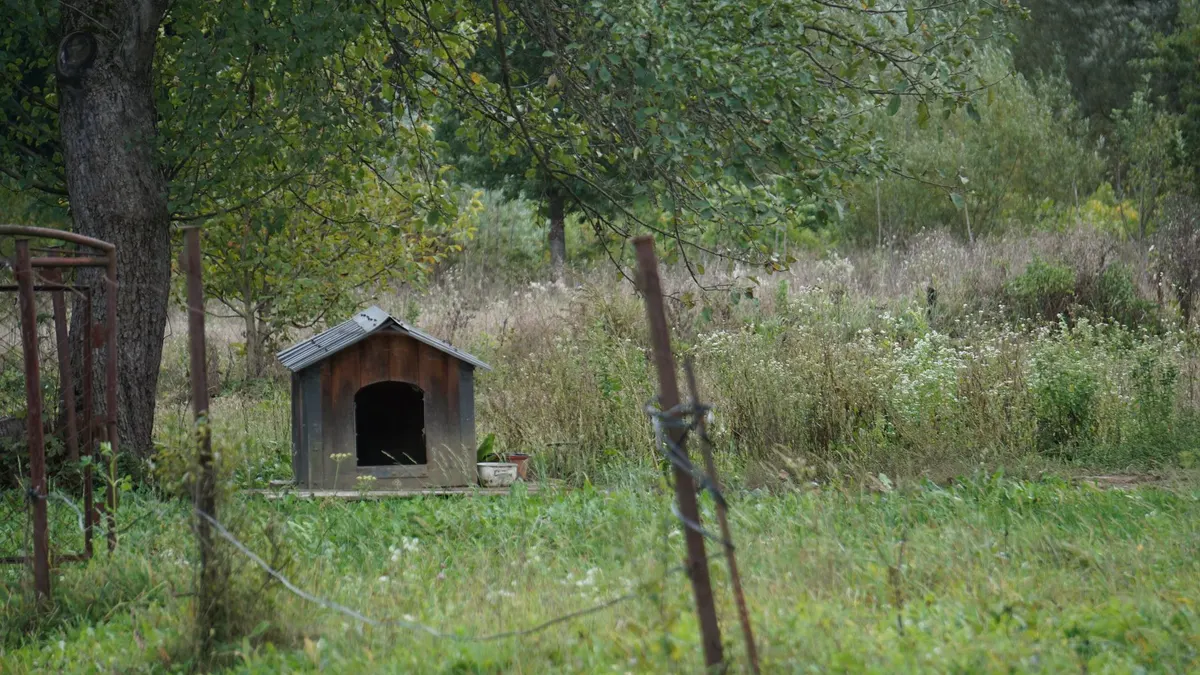
How to Build an Insulated Outdoor Dog House: Step-by-Step Plan
Build a weatherproof, insulated dog house sized for medium breeds using treated lumber, rigid foam, and exterior plywood, with a sloped roof.
Difficulty
intermediateTime
6–8 hours
Est. cost
$60–$120
Tools you'll need
- Cordless drill/driver — our review
- Jigsaw — our review
- Circular saw
- Tape measure
- Speed square
- Staple gun
- Sawhorses
Materials
- One 4x8 sheet of 1/2-inch exterior-grade plywood (sanded CDX)
- One 4x8 sheet of 3/4-inch exterior-grade plywood (for roof and floor)
- 2x2 pressure-treated lumber, 8-foot length: 3 pieces
- Rigid foam insulation board (1-inch thick R-5), 4x8 sheet: 1 sheet
- Exterior wood screws: 1.5-inch and 2-inch deck screws
- Roofing materials: asphalt shingles (1 bundle) or roll roofing, drip edge, roofing nails
- Wood glue (exterior grade)
- Primer and exterior latex paint or stain
Step-by-step
- 1
Cut the lumber to size
Using a circular saw or miter saw, cut your pressure-treated 2x2s into the following lengths: four 24-inch pieces for the base frame, four 21-inch pieces for the wall plates, and four 28-inch pieces for the corner posts. Also cut the 3/4-inch plywood: one 24x30-inch piece for the floor, and one 30x36-inch piece for the roof. Cut the 1/2-inch plywood: two 24x28-inch pieces for the side walls, two 21x28-inch pieces for the front and back walls, and one 30x34-inch piece for the roof (or a bit larger for overhang). Use a jigsaw for any curved openings.
- 2
Build the floor frame and install the floor
Assemble the base frame from the four 24-inch 2x2s, creating a 24x30-inch rectangle. Use wood glue and 2-inch screws at each corner, and add a center cross brace from scrap. Check for square by measuring diagonals. Once square, attach the 24x30-inch 3/4-inch plywood floor to the frame with 1.5-inch screws spaced every 6 inches around the perimeter and into the cross brace. This assembly will sit on the ground, so it benefits from being elevated on bricks or pressure-treated skids.
- 3
Assemble the wall panels
Lay out the side and end wall plywood pieces on a flat surface. For each panel, attach a 21-inch 2x2 plate to the top edge and a 24-inch 2x2 plate to the bottom edge (for side panels) or 21-inch (for end panels). Use glue and 2-inch screws. Then attach a 28-inch 2x2 corner post to each vertical edge. The front wall (end panel) should have a door opening: mark a 10x14-inch rectangle (or size for your dog) centered 4 inches above the bottom. Drill a starter hole and cut the opening with a jigsaw. Cut a matching piece of foam board to insulate the remaining solid area.
- 4
Insulate the walls and floor
From the rigid foam board, cut pieces to fit snugly between the 2x2 framing inside each wall panel. For the side walls, cut two 21x24-inch pieces (but subtract the 2x2 post thickness – actual size 21x22 inches if posts are on the inside – measure your exact cavity). For front and back walls, cut 21x21-inch pieces, plus a small piece for above the door if needed. Glue the foam into the cavities using construction adhesive or a few dabs of exterior glue. Also cut a 24x30-inch foam piece for the floor panel and glue it onto the plywood before adding the interior floor covering (optional: a second thin plywood layer over the foam).
- 5
Erect the walls and attach to the floor
Stand the back wall panel onto the floor base, align it flush with the edges, and secure it with 2-inch screws driven through the bottom plate into the floor frame. Then attach the two side walls, screwing through the side wall bottom plates into the floor and through the side wall corner posts into the back wall corner posts. Finally, attach the front wall, ensuring the door opening faces forward. Use a level to keep everything plumb. Add screws every 6 inches along the bottom plates and at each corner joint.
- 6
Build and install the roof
The roof is a simple flat panel with a slight slope. Cut the 3/4-inch plywood roof to 30x36 inches (or larger for eaves). Cut a 30x36-inch piece of foam insulation and glue it to the underside of the roof panel. Then attach 2x2 cleats (scrap) along the edges on the underside to create a lip that prevents sliding. Position the roof panel on top of the walls, sloping from back to front (use a 2-inch height difference: raise the back edge with an extra 2x2 strip if needed). Screw through the roof into the wall top plates with 2-inch screws. Install drip edge and shingles or roll roofing according to manufacturer instructions, overlapping the edges.
- 7
Add trim and finishing touches
Cover the edges of the roof plywood with 1x2 or 1x4 trim (painted or pressure-treated) for a finished look. Install a door flap or hinged door for weather protection (optional: use a heavy vinyl strip). Sand all plywood edges smooth, especially around the door opening. Apply a primer coat to all exterior surfaces, followed by two coats of exterior latex paint or stain. Let the paint cure for 24 hours before placing the house outdoors. If you plan to use it on grass, set the house on concrete blocks or a gravel base to prevent moisture wicking.
Planning and Design Considerations
Building an insulated outdoor dog house requires careful planning to ensure your pet stays comfortable year-round. The design described here suits a medium-sized dog (roughly 20–40 pounds) with an interior floor area of 24 by 30 inches and a height of 28 inches. Before cutting any wood, measure your dog from nose to rump and shoulder to ground. The door opening should be about 1.5 times the width of your dog’s chest and 1.2 times its shoulder height. The house should be large enough for the dog to stand, turn around, and lie down, but no larger, because a smaller space retains body heat better.
Placement is critical. Choose a spot that is sheltered from prevailing winds, with good drainage. If you set the house directly on grass, moisture will eventually rot the floor and promote mold. Instead, place it on a patio, a gravel bed, or a slightly elevated wooden platform. Positioning the door away from winter winds and summer sun helps maintain a stable interior temperature.
Materials Selection
For the floor frame and any component that might contact the ground, pressure-treated 2x2s (or 2x4s) are essential to resist rot. For wall framing, regular kiln-dried lumber is fine if it is properly sealed. Exterior-grade plywood (CDX or better) should be used for all panels. Avoid interior plywood, as it delaminates quickly when exposed to moisture.
Rigid foam insulation (extruded polystyrene or polyiso) is the best choice for a dog house: it resists moisture, does not attract pests, and provides consistent R-value per inch. 1-inch foam gives roughly R-5 insulation. For colder climates, use 2-inch foam (R-10). Fiberglass batts are not recommended because they can settle, harbor moisture, and be chewed by your dog.
Roofing shingles or roll roofing protect the house from rain and snow. Asphalt shingles are inexpensive and durable; a single bundle covers about 33 square feet, sufficient for this project.
Step-by-Step Construction
Cutting and Preparing the Lumber
Start by cutting all 2x2s and plywood to the dimensions in the cut list. Label each piece with a pencil to avoid confusion. The 2x2 pieces for the floor frame are 24 inches long; the four wall corner posts are 28 inches each; and the top and bottom plates for each wall panel are cut according to the plan. For the side walls (24 inches wide), the top and bottom plates are 24 inches long; for the end walls (21 inches wide), they are 21 inches. The 28-inch corner posts are used on all four wall panels.
Cut the plywood panels: two side walls at 24 by 28 inches, front and back walls at 21 by 28 inches. The floor is 3/4-inch plywood cut to 24 by 30 inches. The roof is also 3/4-inch plywood cut to approximately 30 by 36 inches to allow overhang. Use a jigsaw for the door opening on the front panel.
Building the Floor Assembly
The floor consists of a 2x2 frame with a center cross brace, topped with 3/4-inch plywood. Assemble the 24x30 frame with glue and 2-inch screws, then attach the plywood with 1.5-inch screws every 6 inches. Check for square by measuring diagonals; they should be equal. This assembly will sit on the ground, so apply a waterproofing treatment to the underside.
Wall Panel Assembly and Insulation
Lay each wall panel flat. Attach the top and bottom plates to the top and bottom edges of the plywood using glue and 2-inch screws. Then attach the 28-inch corner posts to the vertical edges. For the front panel, cut out the door opening before attaching the bottom plate. The door should be placed so its bottom edge is about 4 inches above the floor to keep out drafts.
After the panels are framed, cut rigid foam to fit the cavities between the 2x2s. The side wall cavities are roughly 23 inches by 22 inches (allowing for the corner posts). The end wall cavities (front and back) are approximately 20 inches by 20 inches. Glue the foam into place with exterior-grade adhesive.
Erecting the Walls
Attach the back wall to the floor assembly first, aligning it flush with the floor edges and using 2-inch screws through the bottom plate into the floor frame. Stand it upright and brace temporarily. Then attach the two side walls, screwing through the side bottom plates into the floor and through the side corner posts into the back wall corner posts. Finally, attach the front wall, completing the box. Use a level to check plumb on each wall.
Roof Construction
The roof is a flat panel with a slight pitch for drainage. Cut the 3/4-inch plywood to 30 by 36 inches (allowing a 3-inch overhang on all sides). Cut a matching piece of foam insulation and glue it to the underside. For slope, cut a 2x2 strip to place under the rear edge of the roof (on top of the back wall), raising it about 1.5 inches. This provides a 1.5-inch drop over the 30-inch depth, which is sufficient for rain runoff.
Attach the roof to the walls with glue and 2-inch screws driven through the roof into the wall top plates. Install drip edge metal on all four sides, then cover with asphalt shingles or roll roofing. Use roofing nails and seal all nail heads with roofing cement.
Safety
Wear safety glasses and hearing protection when cutting lumber with power tools. Keep fingers away from saw blades and use push sticks for narrow cuts. Ensure the work area is well-ventilated when using wood glue, paint, or primer; these products emit fumes. When cutting foam insulation, use a thin-bladed knife or a foam cutter; avoid heating the foam excessively to prevent release of toxic fumes. Always unplug or remove the battery from tools before changing blades or bits. Clamp workpieces securely and never force a saw or drill. If using a circular saw, let the blade reach full speed before starting the cut and support the waste side to prevent kickback.
Common Mistakes to Avoid
- Oversizing: Building the house too large reduces insulation efficiency. Stick to dimensions that fit your dog snugly.
- Neglecting airflow: While insulation is important, some ventilation is needed to prevent condensation. Add a small vent near the ridge or a gap at the roof peak.
- Using untreated lumber on the ground: This leads to rot. Always use pressure-treated lumber for any part that contacts the ground or is exposed to moisture.
- Forgetting the door flap: A plastic or heavy fabric flap over the door blocks wind and rain significantly. Do not skip this if you live in a cold or wet climate.
- Poor drainage: If the roof is flat or has insufficient slope, water will pool and eventually leak. Ensure the roof slopes at least 1 inch over the depth (about 2 degrees).
Final Thoughts
A well-built insulated dog house is an investment in your pet’s comfort and health. The project is straightforward enough for a confident beginner with a few power tools. Take your time on the measurements and sealing details; weatherproofing makes the difference between a house that lasts one season versus one that lasts for years. Once complete, place the house in a protected location and allow the paint to cure fully before introducing your dog. Your pet will appreciate the warm, dry refuge on those cold nights or hot afternoons.
Advertisement
Frequently asked questions
- What size dog is this house designed for?
- The interior dimensions are approximately 24 inches wide, 30 inches deep, and 26 inches tall, suitable for medium breeds like beagles, cocker spaniels, or small terriers. For larger dogs, simply scale up the dimensions proportionally, adding 4–6 inches to each measurement per size category.
- Do I need to insulate the house if I live in a mild climate?
- Insulation is always beneficial. It helps regulate temperature in both hot and cold weather. In mild climates, you can skip the foam insulation to save money, but the house may feel drafty. A layer of rigid foam adds minimal cost and greatly improves comfort.
- Can I use regular plywood instead of pressure-treated lumber?
- Yes, but only if you elevate the house off the ground and protect it from moisture. Pressure-treated 2x2s are recommended for the floor frame and any part that contacts the ground. For the framing, regular kiln-dried 2x2s can be used but must be painted or sealed.
- How do I keep the roof from leaking?
- Use a drip edge metal trim on all four sides of the roof, overlapping the roofing material. Ensure the roof panel overhangs the walls by at least 1 inch on all sides. Apply roofing cement under the first row of shingles and around any protrusions. Seal all exposed screw heads with exterior caulk.
- Should I add a hinged roof for cleaning?
- A hinged roof is a great upgrade for easy cleaning. Install piano hinges along the back edge and a latch on the front. You will need to frame the roof panel with 2x2s for stiffness and attach a gasket to seal the gap. This is an intermediate-level modification.