
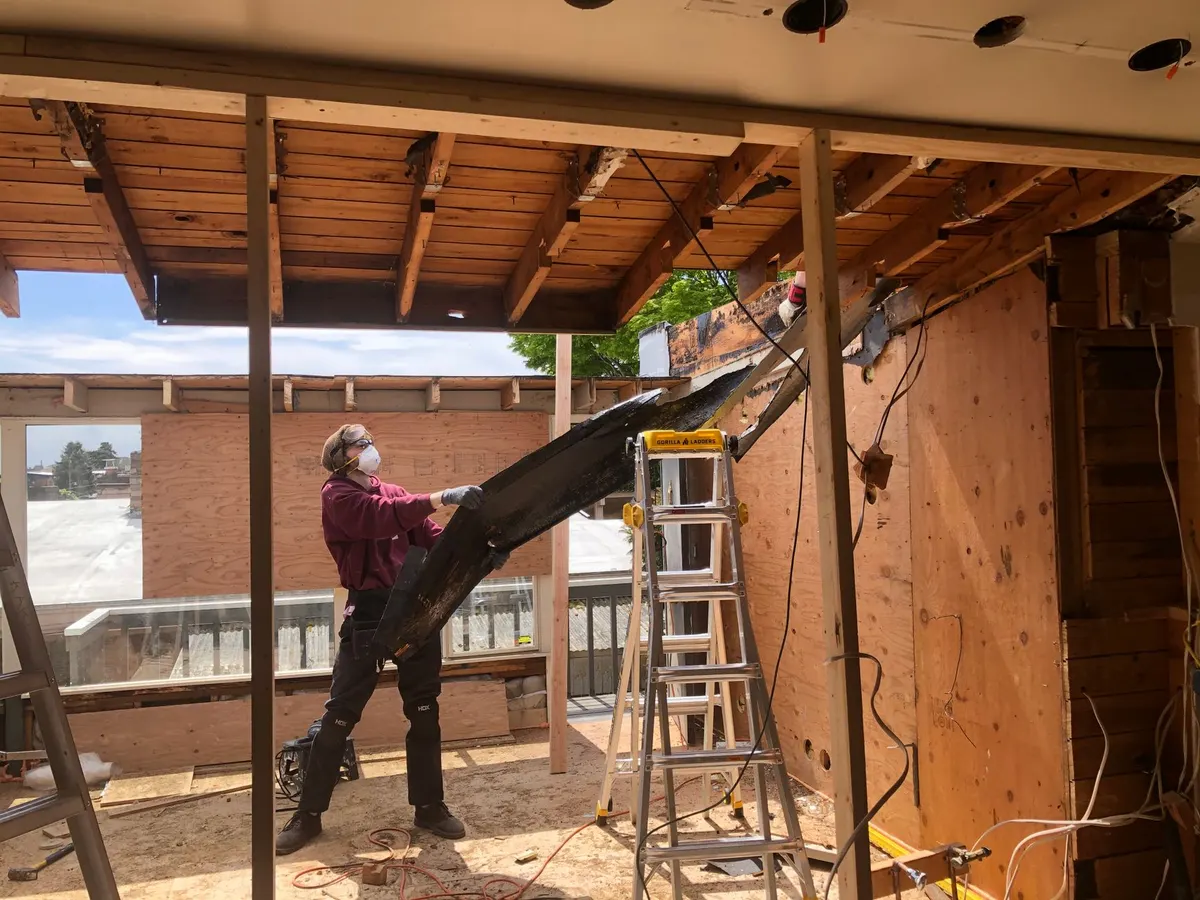
The Best Reciprocating Saws of 2026
The best reciprocating saw for most people in 2026 is the DeWalt DCS386B — a brushless 20V MAX tool with a 3,000 SPM speed ceiling and a four-position adjustable shoe that handles demo, pruning, and rough framing without complaint. Corded users who want maximum bite on any material should look at the Bosch RS428; Milwaukee M18 owners with heavy trade work benefit most from the 2722-20 Super Sawzall; and the Ryobi PSBRS01B fills a unique compact one-handed role no full-size saw touches.
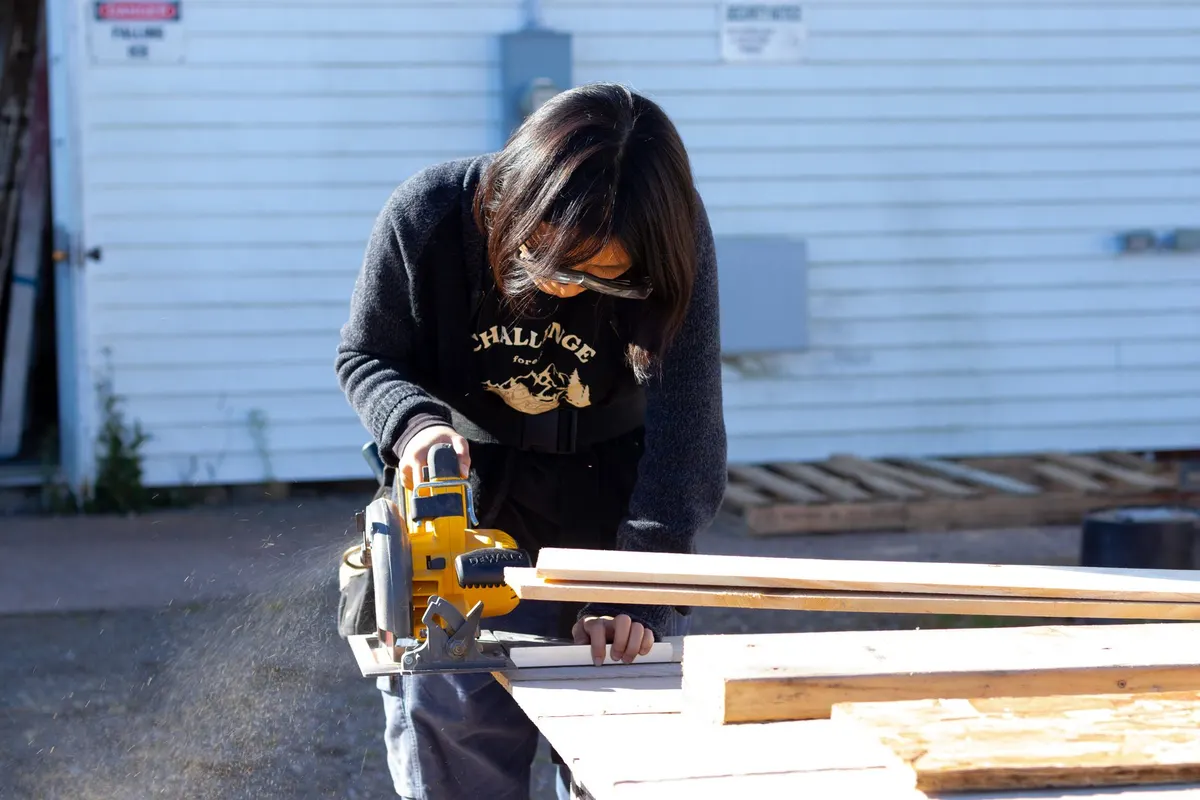
DeWalt DCS386B FLEXVOLT Advantage Reciprocating Saw
The DCS386B sits at the intersection of cordless freedom and genuine cutting performance. Its brushless motor runs at up to 3,000 SPM with a 1-1/8-inch stroke, which is enough for structural lumber, cast iron, and copper pipe. The four-position adjustable shoe changes the cutting angle without loosening a fastener, and keyless lever-action blade swaps are among the fastest in the category. On a 20V MAX FLEXVOLT battery the runtime extends substantially over standard packs. For anyone starting or expanding a DeWalt 20V ecosystem, it is the right cordless recip saw.
- ✓ 3,000 SPM brushless motor with 1-1/8-inch stroke handles lumber, pipe, and demo
- ✓ Four-position adjustable shoe without any fastener — quick repositioning in tight spaces
- ✓ Keyless lever-action blade clamp swaps blades faster than most rivals
- ✓ FLEXVOLT Advantage extends runtime on 60V MAX packs while running on standard 20V batteries
- ✗ Ships as a bare tool — battery and charger required separately
- ✗ No orbital action, which some demo users prefer for faster cuts in softwood
Bosch RS428 14-Amp Reciprocating Saw
When consistent, unlimited runtime matters more than cordless mobility — demolition on a job site with power access, day-long plumbing or HVAC rough-in — the Bosch RS428 is hard to argue with. Its 14-amp motor and always-on orbital action generate aggressive cutting through framing lumber, wood with nails, and masonry accessories. The active counterbalance mechanism and anti-vibration handle reduce fatigue meaningfully compared to basic corded saws. The saw weighs 8.65 lbs and runs 18.4 inches long, so it is not a tight-space tool, but it never runs out of juice.
- ✓ 14-amp motor with constant orbital action for aggressive, fast demo cuts
- ✓ Active counterbalance reduces vibration noticeably for extended use
- ✓ No battery dependency — runs all day on any outlet
- ✓ 0–2,900 SPM variable trigger for both rough and controlled cutting
- ✗ Cord limits mobility on rooftop or far-from-outlet jobs
- ✗ At 8.65 lbs and 18.4 inches, it is the largest and heaviest tool here
- ✗ Orbital action cannot be disabled for precision cuts through metal
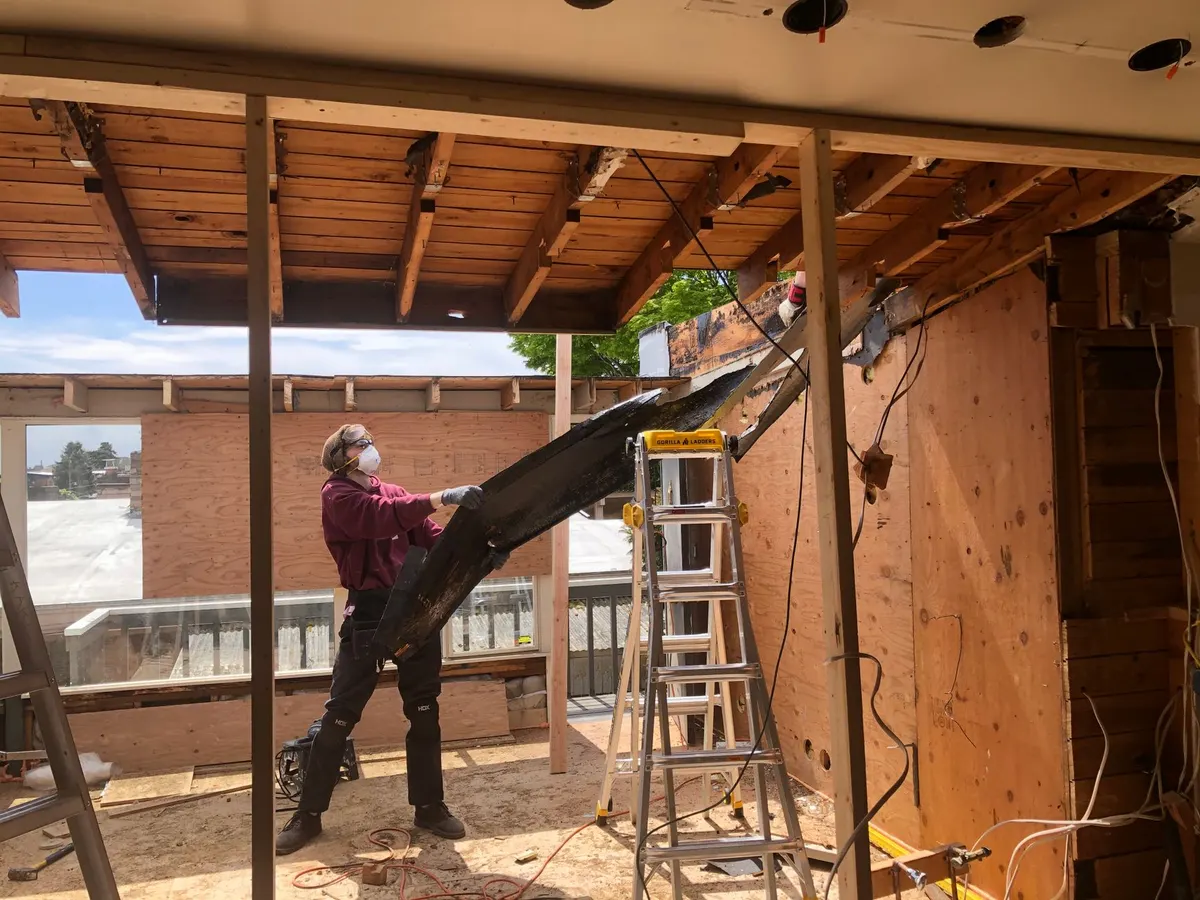
Milwaukee 2722-20 M18 FUEL Super Sawzall
The Milwaukee 2722-20 carries the most comprehensive spec sheet in this guide. Its 3,100 SPM ceiling is the highest here, the 1-1/4-inch stroke is the longest, and a five-speed dial gives precise control across material types — from soft pine framing to dense cast iron. Selectable orbital action adds cutting aggression when you need it. The QUIK-LOK toolless blade clamp is genuinely the best blade-change system in the reciprocating saw category. At 8.8 lbs it is heavier than the DeWalt, so M18 owners with heavy daily volume get the most from it.
- ✓ 3,100 SPM at 1-1/4-inch stroke — the highest output combination in this guide
- ✓ Five-speed dial enables precise material-specific speed control
- ✓ Selectable orbital action on or off depending on cut type
- ✓ QUIK-LOK toolless blade clamp is the fastest in the category
- ✗ 8.8 lbs bare is the heaviest cordless tool in this guide
- ✗ Bare tool only — Milwaukee M18 battery and charger required
- ✗ Premium M18 FUEL pricing reflects the capability gap
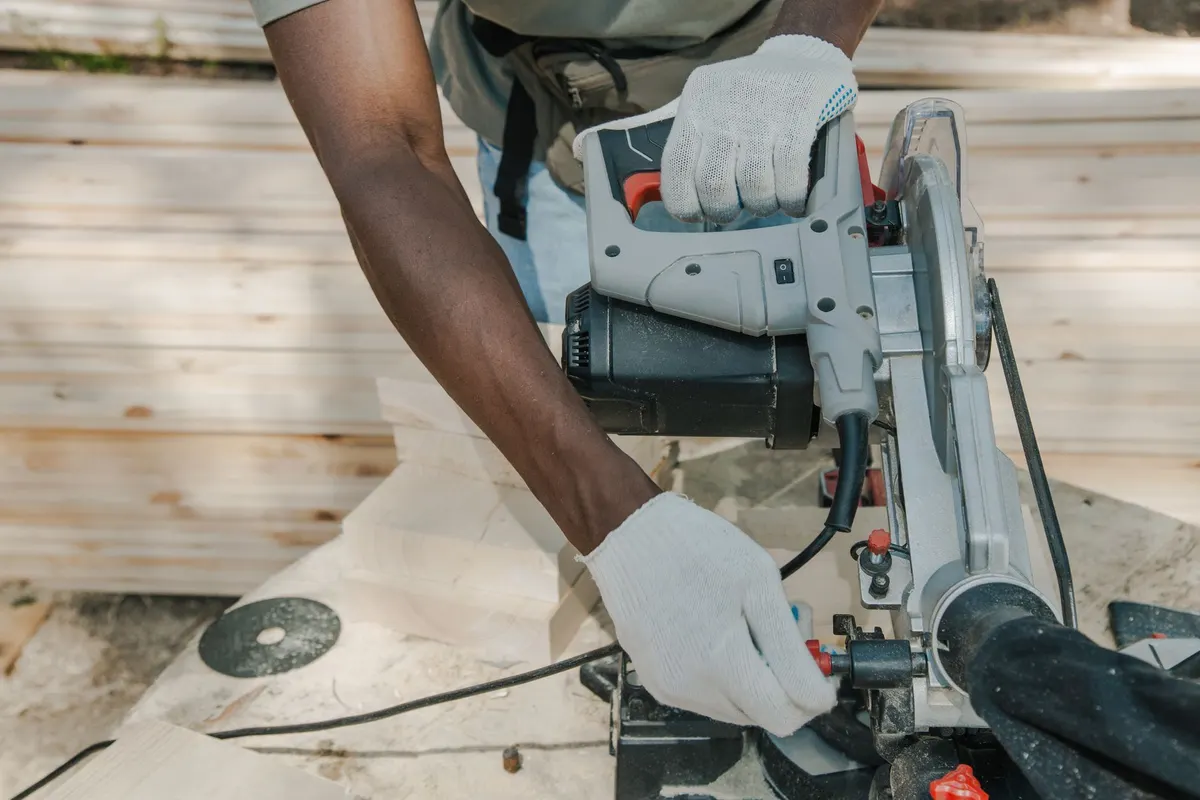
Ryobi PSBRS01B ONE+ HP Compact One-Hand Recip Saw
The PSBRS01B occupies a category of its own: at 3.6 lbs with a 12.4-inch body, it fits behind pipes, into wall cavities, and inside engine compartments that no two-handed saw touches. The 5/8-inch stroke is shorter than full-size saws — it is not a demo saw — but at 3,000 SPM on a brushless motor it cuts PVC, copper, ABS, and conduit quickly and accurately. For a plumber, electrician, HVAC tech, or remodeler doing trim work in confined spaces, it is a purpose-built tool that does something the others cannot.
- ✓ 12.4-inch one-handed form factor reaches spaces no two-handed saw fits
- ✓ 3.6 lbs bare — lightest tool in this guide by a wide margin
- ✓ Brushless motor at 3,000 SPM handles pipe, PVC, and conduit efficiently
- ✓ Runs on the broad Ryobi ONE+ 18V platform
- ✗ 5/8-inch stroke is shorter than full-size saws — not ideal for structural lumber or thick demo
- ✗ Compact design limits blade selection to shorter recip blades
- ✗ Bare tool only — Ryobi 18V ONE+ battery and charger sold separately
Choosing the right reciprocating saw
A reciprocating saw is a forward-and-back blade that cuts materials a circular saw or jigsaw cannot reach: pipes behind walls, nails embedded in lumber, roots in tight trenches, conduit inside an electrical panel. The same mechanism that makes it powerful — the aggressive push-pull stroke — means the right saw depends heavily on what you are cutting and where.
Four variables decide which of these tools belongs on your belt.
Corded vs. cordless is the first question. A corded saw like the Bosch RS428 never needs a battery swap, maintains constant power at 14 amps, and runs indefinitely from an outlet. That makes it the right tool for a long demo day, a day-long rough-in, or any situation where a cord is acceptable. Cordless saws trade unlimited runtime for mobility — no cord snagging on framing, freedom on a rooftop or in a crawl space. The DeWalt and Milwaukee are both fast and capable, but they depend on charged batteries.
Stroke length and SPM together determine cutting speed. A longer stroke removes more material per pass; higher SPM means more passes per second. The Milwaukee 2722-20 leads on both at 1-1/4 inches and 3,100 SPM. The DeWalt and Bosch both run 1-1/8 inches, with the Bosch reaching 2,900 SPM and the DeWalt reaching 3,000. For most users the difference is subtle in everyday cuts. It becomes visible on dense material — thick cast-iron pipe, structural engineered lumber, or green-wood timber framing.
Orbital action adds an up-and-down oscillation to the back-and-forth stroke. In softwood and general demo lumber it cuts faster by ejecting chips between passes. In metal it causes chatter and inaccurate cuts. The Bosch has it always on, suited to a demo-focused workflow. The Milwaukee lets you toggle it. The DeWalt and Ryobi omit it, which simplifies operation.
Form factor and weight matter most when the job site is awkward. Full-size saws are 17–19 inches long and weigh 7.5–8.8 lbs bare. The Ryobi PSBRS01B is 12.4 inches and 3.6 lbs — designed to fit one-handed into wall openings and behind pipes. Nothing in the full-size category replicates that capability.
Best overall: DeWalt DCS386B
The DCS386B earns the top position by covering the widest range of common jobs without obvious weaknesses. Its brushless motor reaches 3,000 SPM on a 1-1/8-inch stroke, which handles structural demo, metal pipe, and PVC without straining. The four-position adjustable shoe repositions for flush cuts or leverage changes without requiring tools, which is the kind of detail that saves time repeatedly. The lever-action keyless blade clamp is fast and positive — blade changes take seconds, not minutes.
The FLEXVOLT Advantage means the tool draws more power from 60V MAX packs when available, extending runtime in demanding material, while remaining fully functional on any standard 20V MAX battery. For someone building or already on the DeWalt 20V platform, no other choice makes as much sense.
Best corded: Bosch RS428
Corded saws are easy to overlook in a world of expanding cordless platforms, but the RS428 makes a simple case: 14 amps of constant power, no battery to manage, no runtime ceiling, and performance that does not vary from the first cut of the day to the last. The always-on orbital action and 2,900 SPM combine to cut framing lumber faster than many users expect from a corded saw. The active counterbalance mechanism is genuinely effective at reducing vibration, which matters for anyone using it for extended periods.
At 8.65 lbs and 18.4 inches it is not a precision tool or a tight-space saw. Its value is in sustained output on a job site with outlets nearby.
Best for heavy trade use: Milwaukee 2722-20
The Milwaukee Super Sawzall commands a premium, and the spec sheet explains why. Its 1-1/4-inch stroke is the longest in the guide, its 3,100 SPM ceiling is the highest, and the five-speed dial lets a seasoned user dial in exactly the right pace for cast iron, green wood, or copper without guessing. The QUIK-LOK blade clamp is the fastest blade-change system in the category — a full-hand grip releases and locks blades without tools or careful finger positioning.
For plumbers, electricians, and demo contractors who use a recip saw as a primary daily tool, the investment in M18 FUEL pays back in capability and durability. For weekend use, the capability gap over the DeWalt is real but rarely relevant.
Best compact one-handed: Ryobi PSBRS01B
The PSBRS01B exists because many cutting jobs happen in spaces where a two-handed saw cannot fit. An access panel behind a bathtub, the cavity between floor joists, a tight electrical chase — these are places where 3.6 lbs and 12.4 inches matter more than maximum stroke length. The 5/8-inch stroke and 3,000 SPM handle the pipe, conduit, and thin lumber cuts that come up in those locations.
The trade-off is clear: it is not a demolition saw or a structural framing tool. But for the specific work it does — confined-space cutting in plumbing, electrical, and HVAC rough-in — it complements a full-size saw better than any second full-size saw would.
Battery platform considerations
Three of the four saws here are cordless, each tied to a different 18V or 20V ecosystem. The DeWalt DCS386B joins the 20V MAX platform with FLEXVOLT compatibility. The Milwaukee 2722-20 requires M18 batteries. The Ryobi PSBRS01B runs on the ubiquitous ONE+ 18V platform. None of these packs cross-charge — a DeWalt battery will not power a Milwaukee tool. If you already own batteries on any of these platforms, begin there before comparing specifications. The right tool is the one that matches your existing ecosystem unless a specific capability gap justifies switching.
Advertisement
Frequently asked questions
- What is the best reciprocating saw in 2026?
- For cordless versatility, the DeWalt DCS386B is the top pick for most buyers — its brushless motor, 3,000 SPM, and adjustable shoe cover the widest range of jobs. Corded users who need unlimited runtime should choose the Bosch RS428; Milwaukee M18 owners doing heavy structural work will get more from the 2722-20; and anyone needing a one-handed compact saw for confined spaces should pick the Ryobi PSBRS01B.
- Do I need orbital action on a reciprocating saw?
- Orbital action moves the blade in an elliptical path, which cuts softwood and general lumber significantly faster by clearing chips between strokes. It is best turned off (or avoided) when cutting metal, thin material, or anything that requires a clean finish. The Bosch RS428 has it always on; the Milwaukee 2722-20 lets you toggle it. The DeWalt DCS386B and Ryobi PSBRS01B omit it entirely, which is not a limitation for the jobs they are designed for.
- What stroke length should I look for?
- Longer stroke lengths remove more material per pass. The Milwaukee 2722-20 leads at 1-1/4 inches; the Bosch and DeWalt both offer 1-1/8 inches. The Ryobi PSBRS01B has a 5/8-inch stroke suited for its compact one-handed role. For demo and framing lumber, 1-1/8 inches or more is the standard expectation. The Ryobi's shorter stroke is a deliberate trade-off for its size, not a deficiency in its intended use.
- Can I use any blade in any of these saws?
- All four saws use the standard universal shank (T-shank), so blade compatibility across brands is not an issue. The Ryobi PSBRS01B's compact body does better with standard 6-inch blades rather than the longest demolition blades. The Milwaukee's 1-1/4-inch stroke makes the most of long aggressive blades on structural material. Choose blade tooth count based on material: fewer teeth for wood, more for metal.
- Is a corded or cordless reciprocating saw better?
- Corded saws like the Bosch RS428 never run down and maintain consistent power for all-day use near outlets. Cordless saws like the DeWalt DCS386B and Milwaukee 2722-20 move freely without a cord — essential on rooftops, in crawl spaces, and for outdoor tree work. For a job site with reliable power access, corded often makes more sense. For renovation, roofing, or anywhere mobility matters, cordless wins.