
Reciprocating Saws
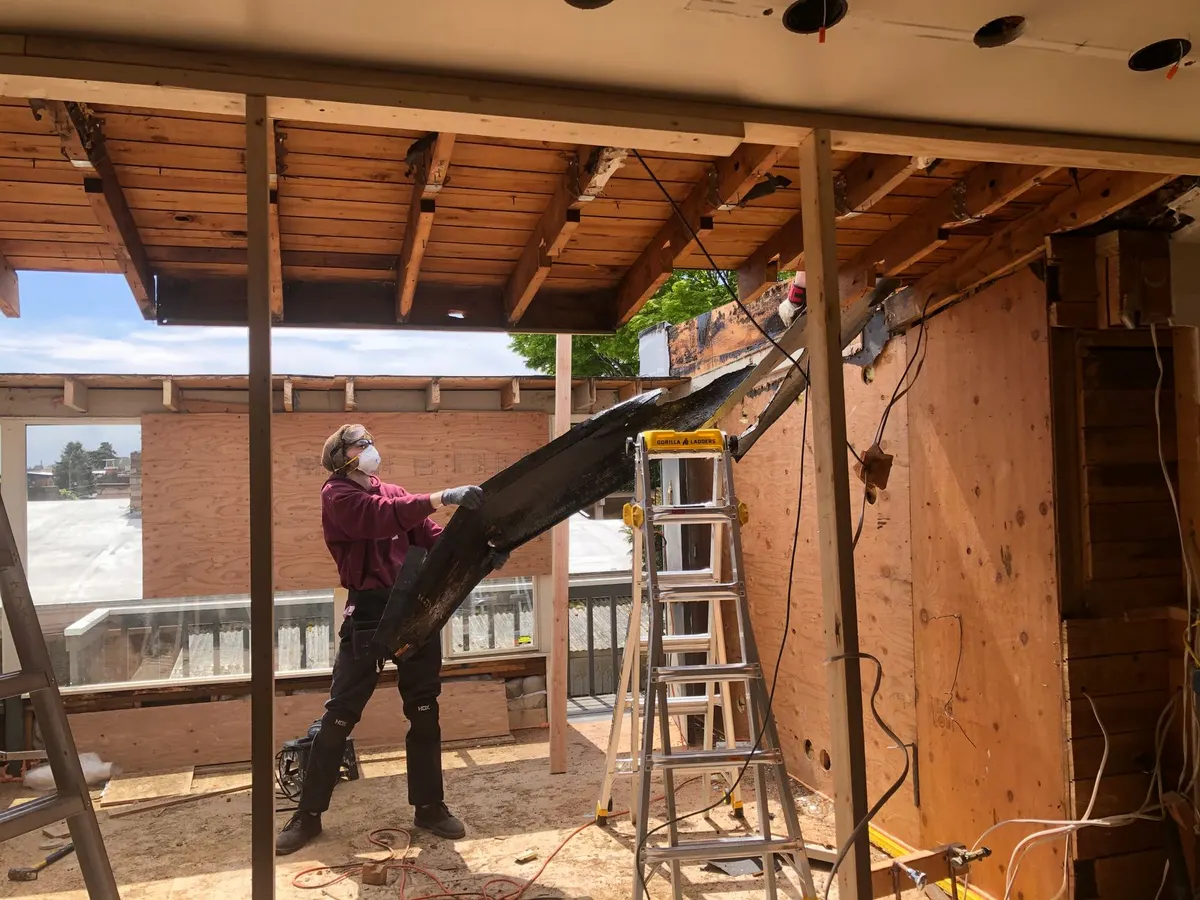
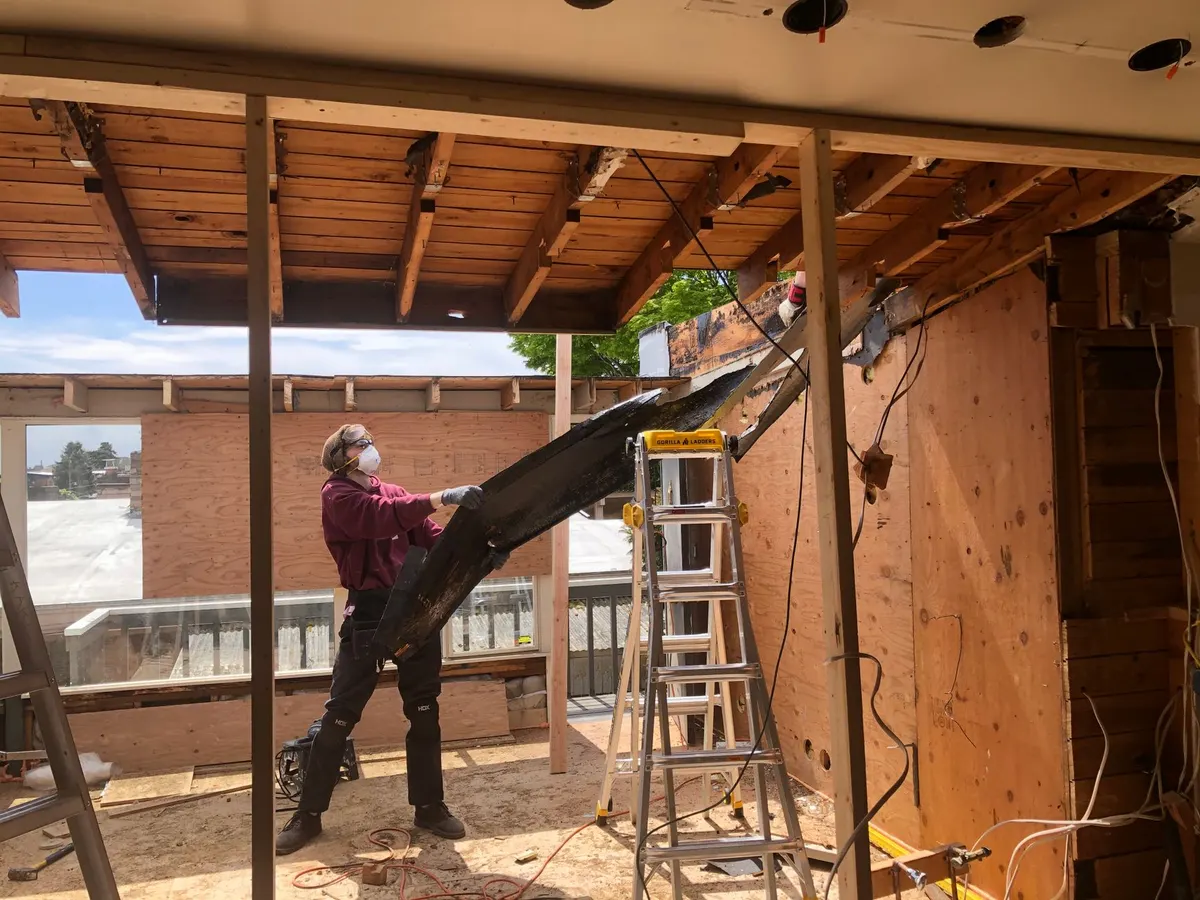
Reciprocating saws — universally known by the Milwaukee brand name Sawzall — are aggressive demolition and rough-cutting tools that drive a blade forward and backward through material at high speed, cutting through nearly anything in their path: lumber, drywall, metal pipe, PVC, conduit, nail-embedded wood, fiber cement, and even light masonry with the appropriate blade. Unlike precision saws built for accuracy, the reciprocating saw is built for access and aggression — reaching into walls to cut wires and pipes, gutting framing during renovation, pruning tree branches overhead, and disassembling structures that need to come down quickly.
The defining use case: demolition
No other portable power tool matches the reciprocating saw for demolition versatility. During a kitchen gut-out, bathroom renovation, window installation, or structural alteration, the reciprocating saw is the tool that makes it possible to remove walls, cut out old plumbing, sever rusted bolts, trim door openings, and cut back overhanging joists without disassembling the structure first. Its ability to cut through nail-embedded lumber — using bi-metal blades specifically designed for the purpose — is a capability that circular saws and jigsaws lack entirely.
Blade length, TPI, and material matching
Reciprocating saw blades range from 4 inches (for cutting in tight spaces) to 12 inches (for deep framing cuts and tree limbs). TPI (teeth per inch) determines material compatibility: 3–5 TPI coarse blades handle wood and nail-embedded lumber fast and aggressively; 8–14 TPI medium blades cut metal pipe, conduit, and angle iron; 18–24 TPI fine blades cut thin metal sheet, copper tubing, and PVC cleanly. Bi-metal blades (high-speed steel teeth brazed to a flexible alloy body) are the standard for most applications; carbide-tipped demo blades dramatically outlast bi-metal in abrasive materials like fiber cement, cast iron, and nail-embedded demo lumber.
Corded versus cordless
Corded reciprocating saws at 12–15 amps run indefinitely and maintain full power through the most demanding demo cuts — ideal for prolonged gut-outs where a single tool is running for hours. Modern 18V brushless cordless models from Milwaukee (M18 FUEL), DeWalt (20V MAX XR), and Makita (18V LXT) deliver comparable performance for most demo tasks and add the critical advantage of working in structures where power is disconnected during renovation. Stroke length (typically 1-1/8 to 1-1/4 inches on quality tools) and strokes per minute (0–3,000 SPM variable) are the key cutting-speed specifications.
Brand landscape
Milwaukee's Sawzall line — both corded and M18 FUEL cordless — has long been the standard on professional remodeling crews. DeWalt's DCS367 compact and DCS387 full-size 20V MAX models are strong competitors. Makita's JR3070CT corded and XRJ05 cordless offer competitive stroke length and speed. Ryobi and Ridgid provide capable tools at lower price points suited to homeowners and light DIY users.
What to look for
Corded power versus cordless convenience
A 15-amp corded reciprocating saw runs at full power indefinitely — the correct tool for extended demo sessions, production pipe cutting, or situations where multiple battery packs would be impractical. Cordless 18V brushless models from Milwaukee M18 FUEL and DeWalt 20V MAX XR are powerful enough for most demo tasks and essential when working in structures with the power off. For occasional use — pruning, small demo jobs, plumbing repairs — cordless in your existing platform is the practical default. For professional demo crews working all day, corded remains the workhorse.
Stroke length and SPM range
Stroke length — the distance the blade travels per cycle — is the primary cutting-speed variable: 1-1/8 to 1-1/4-inch stroke lengths found on professional tools cut significantly faster through framing lumber and thick material than the 3/4–1-inch strokes on budget models. Strokes per minute (0–3,000 SPM variable) should span a wide range so you can slow down for precision cuts in metal pipe and open up for aggressive demo in wood. A tool that only operates at maximum speed cannot make clean, controlled cuts in thin or fragile materials.
Blade clamping and tool-free blade changes
Blade changes happen frequently on a reciprocating saw as you switch between wood, metal, and nail-embedded demo blades. The best blade-change systems — Milwaukee's QUIK-LOK and DeWalt's lever-release — allow one-handed tool-free swaps without touching the hot blade tip. Older tools requiring a hex key or wrench are slow and unsafe in production use. Verify that the saw accepts all T-shank and universal-shank blades, which covers the full range of aftermarket blade options from Lenox, Bosch, Diablo, and Milwaukee.
Orbital action for wood versus straight action for metal
Orbital reciprocating action — where the blade follows an elliptical path rather than purely forward-and-back — accelerates cutting through wood by slapping the material on the forward stroke and clearing chips on the return. Switching to straight-line action produces cleaner, more controlled cuts in metal pipe, conduit, and thin sheet where orbital would cause blade chatter and poor surface quality. Any reciprocating saw intended for both demo and finish metal cutting should offer switchable orbital modes.
Weight, handle design, and anti-vibration systems
Reciprocating saws range from about 5.5 lbs (compact cordless) to 9–11 lbs (full-size corded). Overhead demo work — cutting between joists, trimming studs above shoulder height — rewards lighter, compact tools. Full-size tools are heavier but absorb vibration better through counterbalance systems; Milwaukee's M18 FUEL Gen 4 and DeWalt's DCS386 use active counterbalance mechanisms that measurably reduce vibration fatigue. After an hour of demo cutting, the difference between a vibration-dampened and undampened tool is significant in both hand fatigue and control.
Reciprocating Saws reviews
reciprocating saws
Bosch RS428 14-Amp Reciprocating Saw Review: Corded Precision Meets Demo Muscle
Homeowners, remodelers, and tradespeople doing extended demo sessions near an outlet who want the best cutting performance per dollar without committing to a cordless battery platform.
reciprocating saws
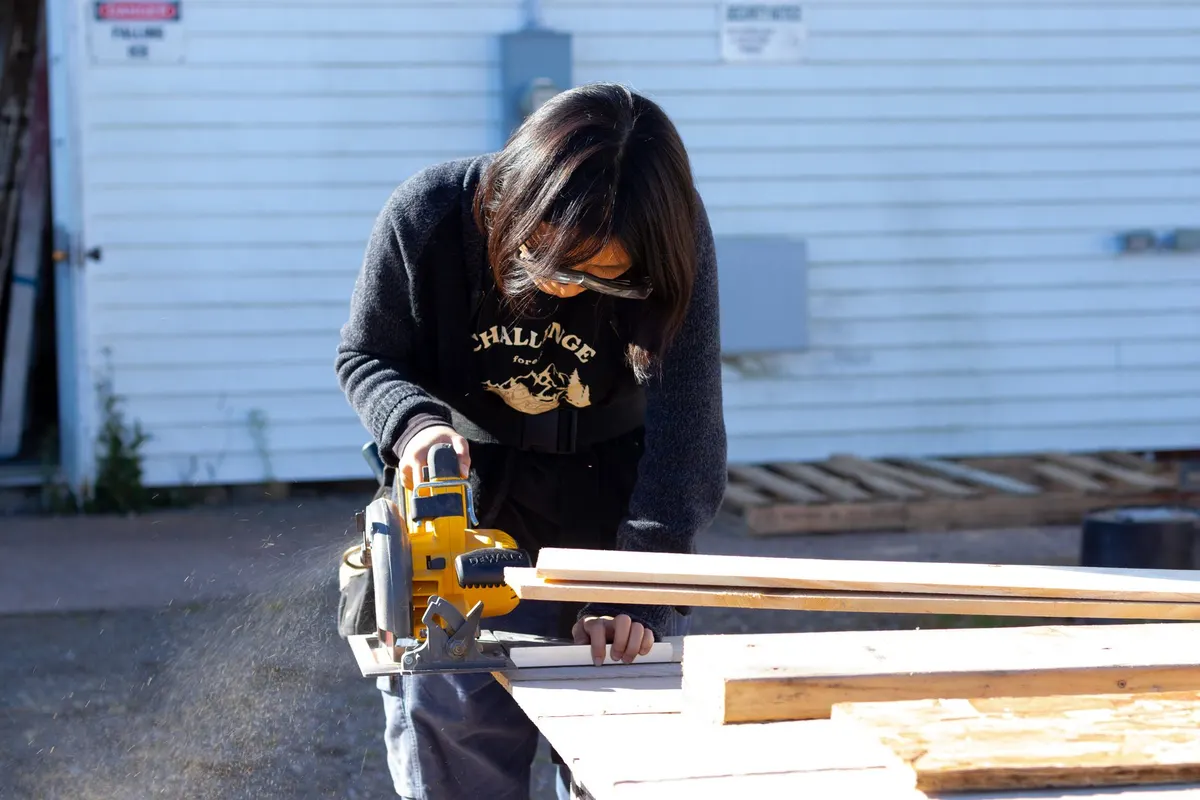
DeWalt DCS386B FLEXVOLT Advantage Reciprocating Saw Review
DeWalt 20V MAX users who want a light, easy-handling full-size reciprocating saw for mixed demo work where fatigue reduction matters more than maximum cutting speed.
reciprocating saws
Milwaukee 2722-20 M18 FUEL Super Sawzall Review: Peak Cordless Demo Power
Professional remodelers, demolition contractors, and electricians on the M18 platform who need maximum cordless cutting performance and can tolerate the weight.
reciprocating saws
Ryobi PSBRS01B ONE+ HP Compact One-Hand Recip Saw Review
Homeowners and tradespeople who need a reciprocating saw for occasional plumbing repairs, access cuts in tight spaces, overhead pruning, or light demolition where a full-size saw cannot physically fit.
Frequently asked questions
- What is a reciprocating saw used for?
- Reciprocating saws are primarily demolition and rough-cut tools — used for gutting walls during renovation, cutting framing lumber to length in place, severing pipes and conduit, pruning tree limbs, removing windows and doors, and cutting through nail-embedded wood that would damage other saw types. Their ability to reach into confined spaces and cut through multiple materials including metal, wood, and PVC with blade changes makes them the most versatile demolition tool in a power tool kit.
- What blades should I use in a reciprocating saw?
- Match the blade to the material: 3–5 TPI coarse bi-metal blades for framing lumber and rough wood cuts; 6–10 TPI medium blades for nail-embedded demo lumber; 14–18 TPI fine blades for metal pipe and conduit; 18–24 TPI blades for thin metal and PVC. Carbide-tipped demo blades — from Lenox, Diablo, and Milwaukee — last 5–10 times longer than standard bi-metal in abrasive demo materials like fiber-cement siding, cast iron, and repeatedly nail-struck wood. Keep an assortment of lengths and TPI values in your kit, as switching blades is faster than fighting the wrong blade through a material.
- Can a reciprocating saw cut through nails and metal?
- Yes — cutting through nail-embedded lumber is one of the reciprocating saw's signature capabilities, using bi-metal or carbide-tipped demolition blades specifically rated for embedded nails. For cutting metal pipe, conduit, angle iron, rebar, and bolts, switch to a fine-tooth (14–24 TPI) bi-metal or carbide blade and slow the SPM to reduce heat buildup and extend blade life. A generous application of cutting oil significantly extends blade life when cutting ferrous metals like steel pipe and rebar.
- How is a reciprocating saw different from a jigsaw?
- A jigsaw is a precision cutting tool designed for curves, thin materials, and controlled cuts where accuracy matters; a reciprocating saw is an aggressive demolition tool designed for speed, access, and cutting through tough or multi-material assemblies. Jigsaws use short, precise blades in a guided shoe; reciprocating saws use long, flexible blades with the shoe pressed against the material for stability. The two tools rarely overlap in practice — a jigsaw for finish work and curves, a reciprocating saw for everything that needs to come apart quickly.
- Can I use a reciprocating saw to prune trees?
- Yes — reciprocating saws with 9–12-inch coarse wood-cutting blades (3–5 TPI) prune branches and small limbs quickly and are often used by arborists and homeowners for both standing-tree pruning and clearing brush. The tool's reach and ability to cut from awkward angles makes it practical for branches too large for loppers but too accessible for a chainsaw. Use a carbide-tipped pruning blade or a purpose-designed pruning blade for cleaner cuts and longer blade life in green wood; avoid blades meant for dry lumber, which clog faster in fresh wood.
- Should I buy a compact or full-size reciprocating saw?
- Buy a compact model if you primarily use a reciprocating saw in tight spaces — inside walls, between joists, under sinks — or for pruning and general-purpose cutting where a lighter tool reduces fatigue. Full-size models deliver more stroke length, more power through dense material, and better vibration damping for extended demo sessions. Many contractors own both: a compact for access cuts and a full-size for prolonged heavy demo. If you only buy one, the full-size wins for demolition depth and versatility; the compact wins for confined-space access and portability.