
Oscillating Multi-Tools
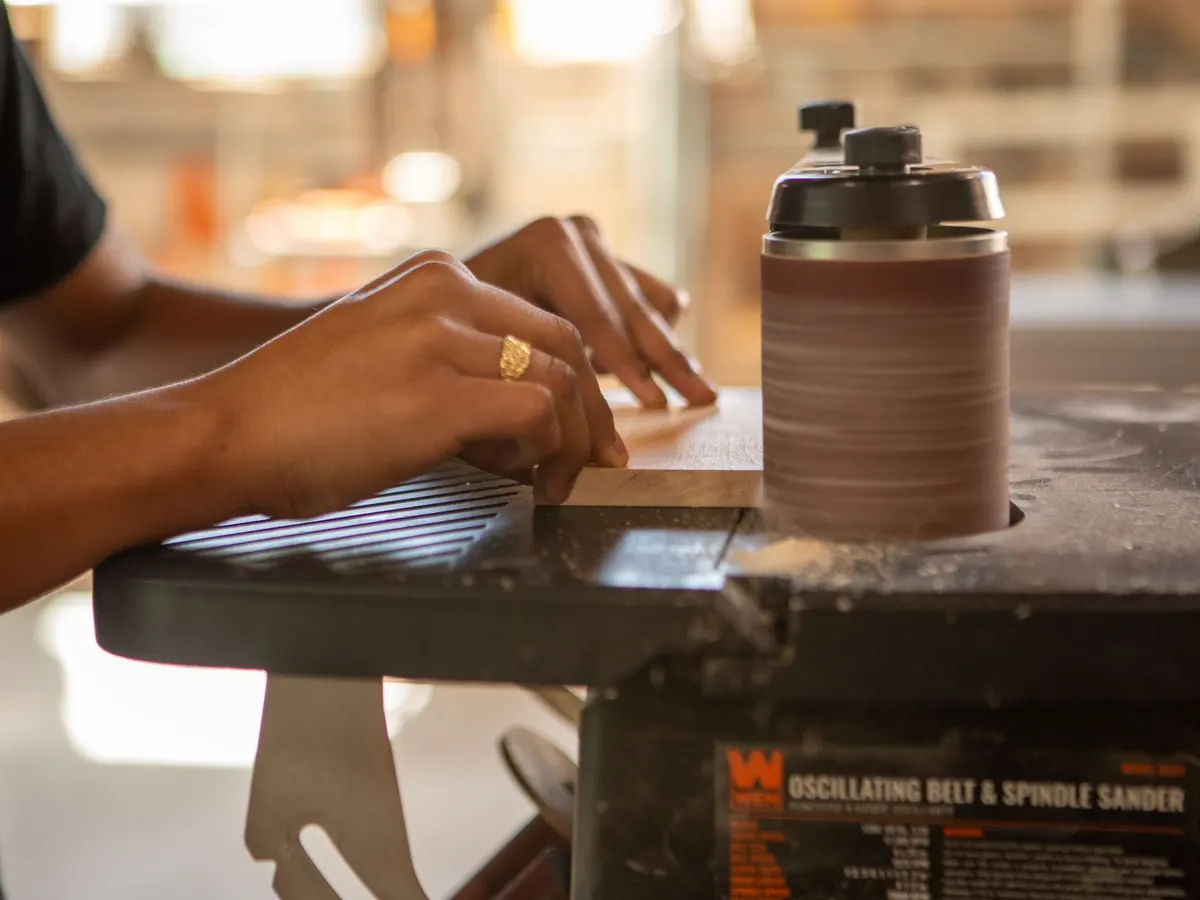
Oscillating multi-tools move their blade or accessory through a tiny side-to-side arc — typically 1.4 to 3.2 degrees — at speeds between 10,000 and 22,000 oscillations per minute. That controlled vibration lets the tool cut, sand, grind, scrape, and plunge into material in ways that rotating blades cannot: flush-cutting a door casing without nicking the floor, plunge-cutting an outlet opening in drywall without a starter hole, removing grout between tiles without cracking the tile face, and cutting corroded bolts in cramped spaces where a reciprocating saw blade has no room to swing.
Where the oscillating tool dominates
The oscillating multi-tool is most often chosen not because it is the fastest cutter, but because it is the only tool that fits. Its straight, non-rotating blade profile lets it cut along a flat surface — flush-cutting baseboard, trimming door jambs level with a new floor, or cutting drywall tight to a ceiling. The tool's gentle oscillation also makes it the first choice for controlled demolition work: scraping adhesive from subfloor, cutting old caulk lines, lifting vinyl flooring, and trimming plastic pipe in tight wall cavities.
Accessory compatibility
Accessory selection is nearly as important as the tool itself. Bi-metal blades cut nail-embedded wood and light metals. Carbide-grit blades handle grout and fiberglass. Sanding pads with hook-and-loop backing accept standard 60-through-240-grit sheets and excel at detail and corner sanding that belt or orbital sanders cannot reach. Scraper blades in various widths handle caulk removal, paint stripping, and adhesive scraping.
Fitment compatibility across brands improved significantly after major manufacturers adopted the universal Starlock mounting system or similar profiles. DeWalt, Bosch, Milwaukee, Makita, and Ryobi all now sell tools that accept a broad accessory ecosystem, though Starlock accessories deliver better blade grip than older hook-style systems.
Corded versus cordless
Corded oscillating tools in the 3-to-4 amp range deliver consistent power for heavy grout removal and sustained cutting. Cordless models on 18V/20V platforms — Milwaukee M18, DeWalt 20V MAX, Makita LXT — cover most tasks and eliminate cord management in finish carpentry where preserving surfaces matters. Ryobi ONE+ offers the same freedom at a lower entry cost for homeowner use. Most cordless models now include variable-speed dials from the slowest speed for detail sanding up to maximum for cutting and grout work.
Who reaches for one
Remodelers and finish carpenters keep an oscillating tool on the belt because flush cutting and plunge cutting appear constantly in renovation work. Tile setters use carbide blades for grout removal and repair. Homeowners find the tool indispensable for caulk removal around tubs, installing new flooring under door casings, and patching drywall. The oscillating multi-tool does nothing quickly — it is a precision-access specialist, not a production tool.
What to look for
Oscillation angle and variable speed
A wider oscillation angle (up to 3.2 degrees) removes material faster but sacrifices fine control. Variable speed — with a dial covering roughly 10,000 to 22,000 OPM — lets you match speed to material: slow for detail sanding and delicate cuts, fast for grout removal and plunge cutting. Tools that offer both a wide angle and full variable-speed range give the most versatility across finish carpentry and demolition tasks.
Blade mounting system and accessory compatibility
Starlock and Starlock Max blade mounting systems clamp blades more securely and transmit more torque than older hook-style collars, which means less blade slippage under load and faster swaps without a hex key. Before committing to a brand, check that the tool accepts accessory brands you already own. DeWalt, Bosch, and Milwaukee all use systems compatible with a wide third-party accessory market, which keeps ongoing costs manageable.
Corded power versus cordless convenience
Corded oscillating tools in the 3.5-to-5 amp range sustain full power through extended grout removal or subfloor scraping without battery anxiety. Cordless models on Milwaukee M18, DeWalt 20V MAX, or Makita LXT platforms work well in finish carpentry where cords near finished surfaces are a liability. Ryobi ONE+ provides cordless access at $50–$80 for homeowners who need the tool occasionally for renovation tasks.
Vibration damping and grip geometry
Oscillating tools transmit significant vibration to your hand over long sessions. Anti-vibration mechanisms — typically a counterweight or isolated motor mount — meaningfully reduce fatigue during grout removal or extended sanding. Grip shape also matters: a rounded barrel grip offers more rotation control, while a D-handle suits longer push-cut sessions. Handle the tool before buying if possible, especially if you plan extended grout or adhesive removal sessions.
Price tiers and accessory starter kits
Entry-level corded tools from Ryobi and Craftsman run $30–$60 and come with a small accessory assortment adequate for occasional use. Mid-range cordless tools from DeWalt and Milwaukee sell for $80–$120 bare and reward buyers who already own same-brand batteries. Premium corded tools from Bosch and Fein, which invented the category, cost $120–$200 and offer superior vibration damping and build quality for daily professional use. Always factor in accessory cost — a 30-piece kit adds $30–$60.
Oscillating Multi-Tools reviews
oscillating multi tools
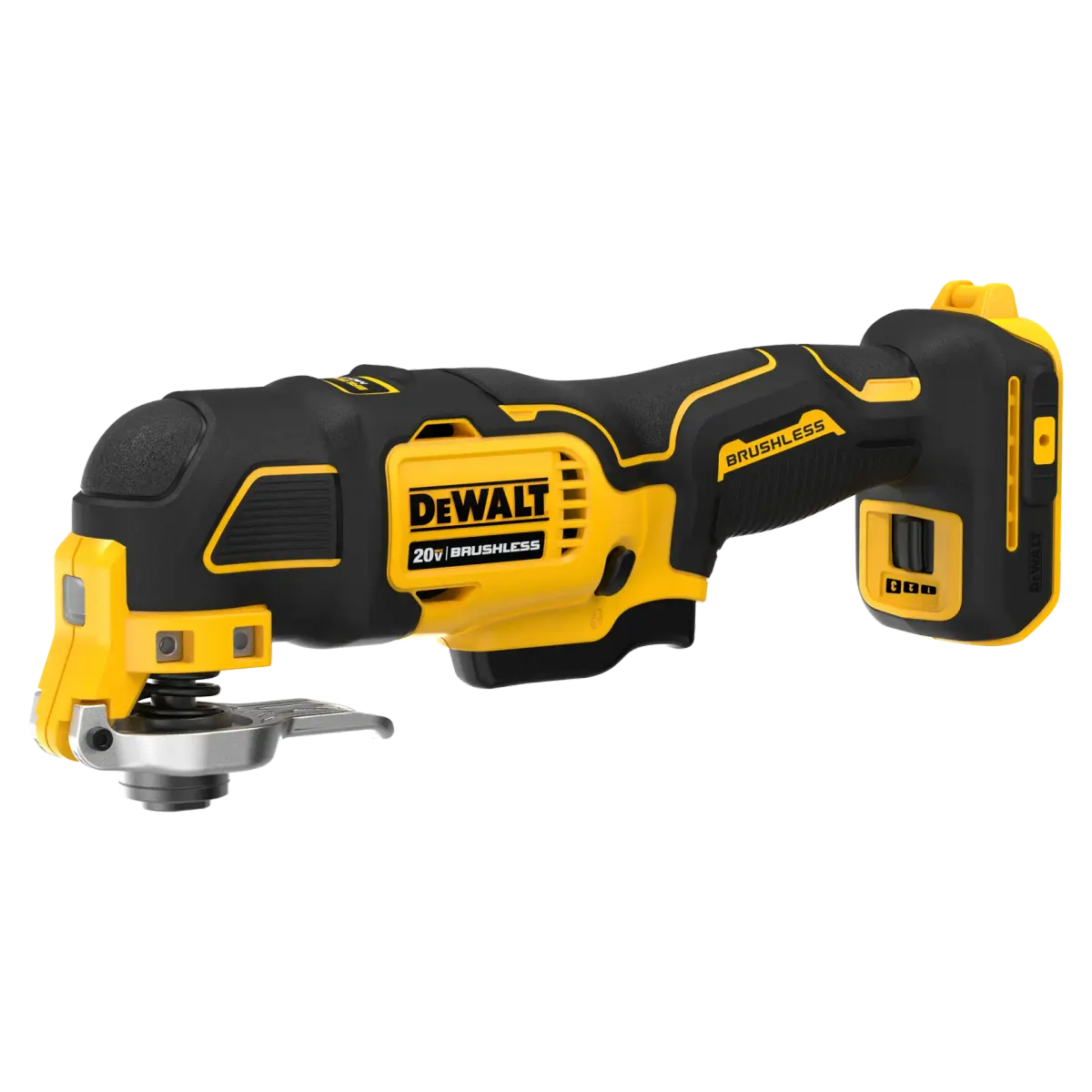
DeWalt DCS356B Review: 3-Speed 20V Oscillating Tool
Remodelers, finish carpenters, and serious homeowners on DeWalt 20V MAX who want the fastest blade-swap mechanism and straightforward speed control at a competitive bare-tool price.
oscillating multi tools
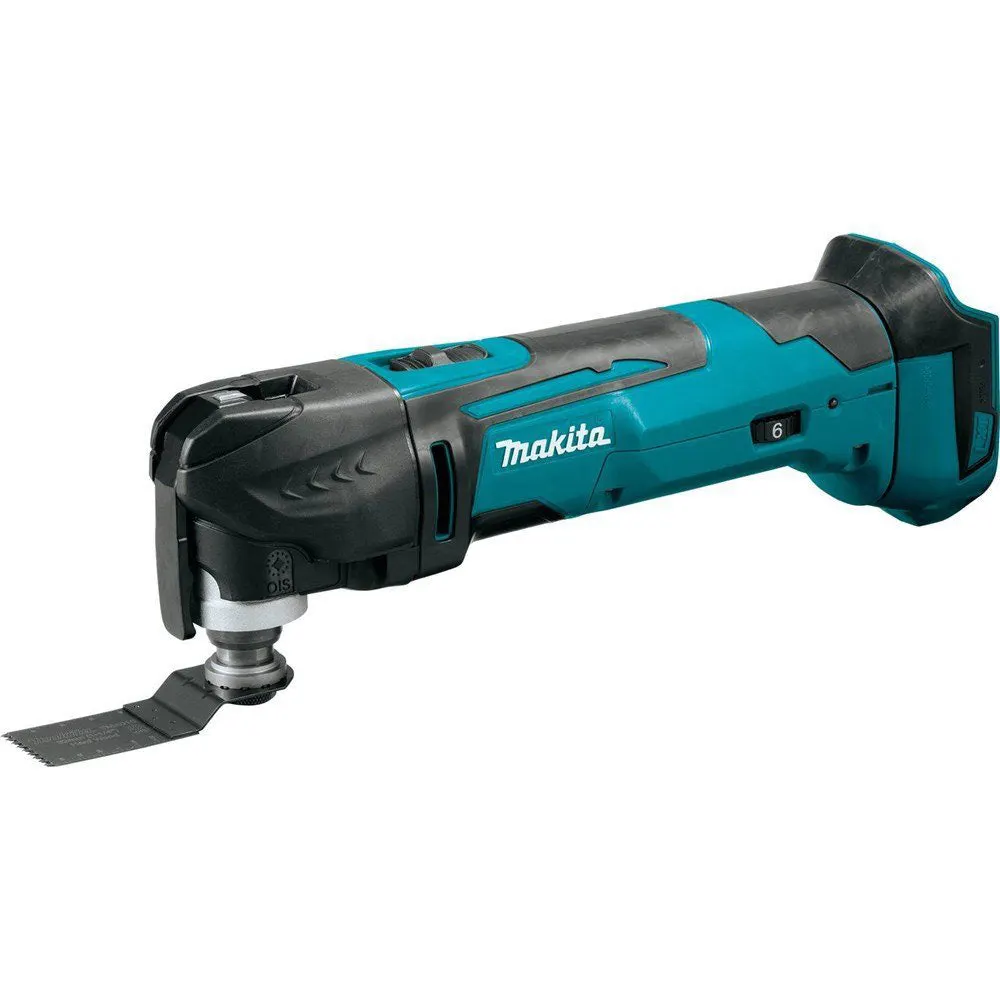
Makita XMT03Z 18V LXT Oscillating Multi-Tool Review
Makita LXT platform owners who need an oscillating multi-tool primarily for fine finish work, slow-speed detail sanding, and general remodeling tasks on existing battery stock.
oscillating multi tools
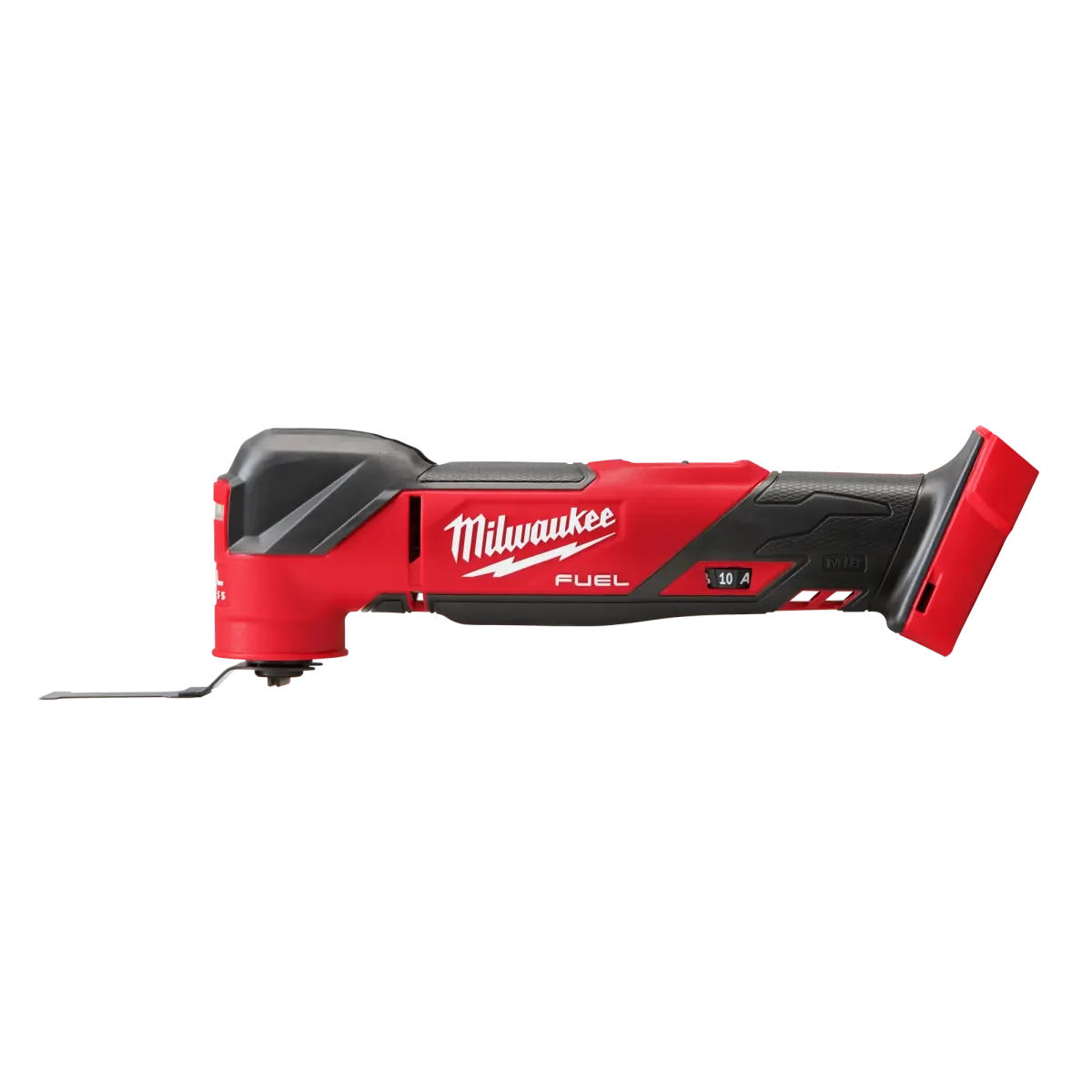
Milwaukee M18 FUEL 2836-20 Review: Top Cordless Multi-Tool
Contractors and serious DIYers already on Milwaukee M18 who need the fastest cutting speed and widest oscillation angle available in a cordless oscillating tool.
oscillating multi tools
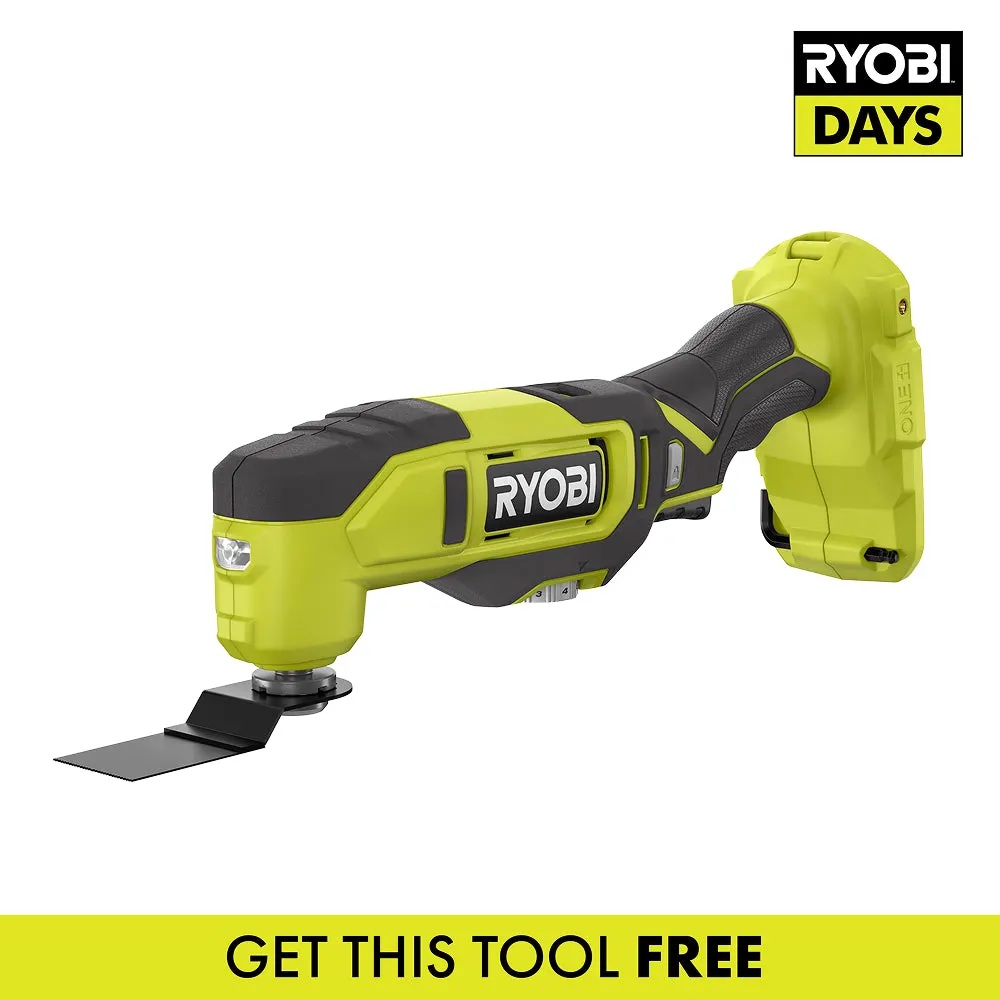
Ryobi PCL430B Review: Budget 18V Oscillating Multi-Tool
Homeowners and occasional remodelers who already own Ryobi 18V ONE+ batteries and need an oscillating multi-tool for infrequent tasks: caulk removal, drywall repair cuts, door jamb undercutting, and spot sanding.
Frequently asked questions
- What is an oscillating multi-tool best used for?
- An oscillating multi-tool excels at flush cutting, plunge cutting, grout removal, caulk scraping, and detail sanding in spaces where rotating blades cannot fit. Its side-to-side blade motion lets it cut flush to a surface, plunge directly into drywall or flooring, and access corners that no other power saw can reach. It is the definitive tool for door jamb undercutting, tile grout repair, and finish trim work in renovation projects.
- Are oscillating tool blades universal between brands?
- Most major brands — DeWalt, Milwaukee, Makita, Bosch, Ryobi — now use mounting systems compatible with a broad accessory ecosystem, and many sell multi-fit blades explicitly designed for cross-brand use. Starlock is the most secure standard. Older proprietary hook-style collars accept fewer aftermarket blades. Check your specific tool model's compatibility before purchasing an accessory pack to avoid mismatches.
- How long do oscillating tool blades last?
- Blade life depends heavily on material. Bi-metal blades cutting clean wood last many hours; the same blade cutting nails dulls in minutes. Carbide-grit grout blades typically handle 5 to 15 feet of grout line before losing effectiveness, depending on grout hardness. Buying blades in multi-packs reduces per-blade cost significantly, and premium carbide blades outlast budget alternatives by a meaningful margin for grout and tile work.
- Can an oscillating multi-tool replace a jigsaw or reciprocating saw?
- No — oscillating tools cut slowly compared to jigsaws and reciprocating saws and are not designed for production cutting. They fill a different role: accessing spaces those saws cannot reach, cutting flush to surfaces, and making controlled plunge cuts without a starter hole. For ripping lumber, cutting sheathing, or demolishing framing, a jigsaw or reciprocating saw is faster and more appropriate. The oscillating tool complements rather than replaces them.
- Is a corded or cordless oscillating tool better for a homeowner?
- For most homeowners, a cordless model on an existing battery platform is the better choice because it eliminates cord management when cutting or sanding near finished surfaces. If you already own DeWalt, Milwaukee, or Ryobi batteries, an oscillating tool on that platform adds minimal marginal cost. A corded tool makes sense for sustained grout removal sessions over many linear feet, where battery runtime becomes a real constraint.