
Makita XMT03Z vs Ryobi PCL430B Oscillating Multi-Tool (2026)
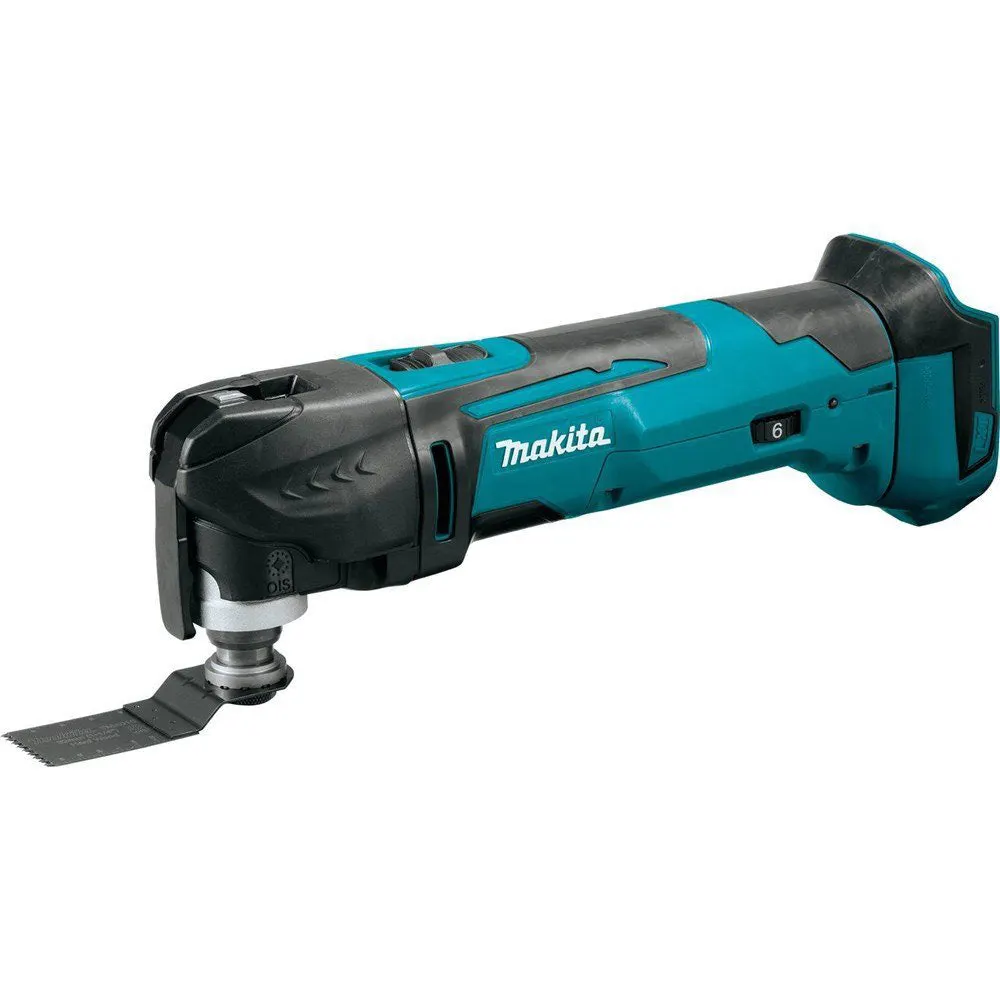
Makita XMT03Z
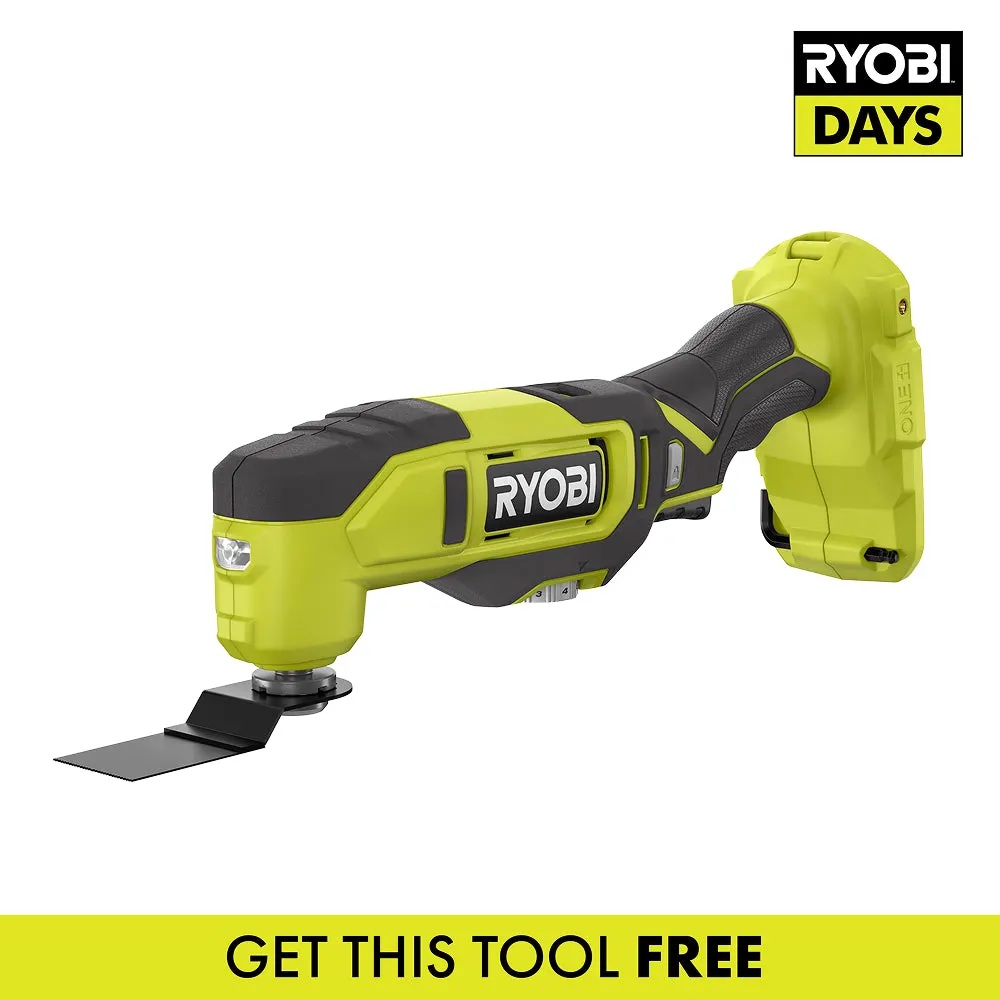
Ryobi PCL430B
| Spec | Makita XMT03Z | Ryobi PCL430B |
|---|---|---|
| Motor type | Brushless | Brushed |
| OPM range | 6,000–20,000 OPM | 10,000–20,000 OPM |
| Oscillation angle | 3.2 degrees | 3 degrees |
| Blade change | Tool-less clamp with adapters | Hex-key bolt with onboard wrench |
| Weight | 4.9 lbs (with battery) | 1.7 lbs (bare tool) |
| Price | $145–$170 (bare tool) | $49–$70 (bare tool) |
| Warranty | 3-year limited | 3-year limited |
| Battery ecosystem | Makita 18V LXT (300+ tools) | Ryobi 18V ONE+ (280+ tools) |
| Variable speed control | Continuous dial, no detents | Continuous dial, no detents |
| Accessory adapters | Multiple included for universal fit | Standard hex bolt, universal blades |
Two tools, two worlds
The Makita XMT03Z and the Ryobi PCL430B are both cordless oscillating multi-tools, but they serve different buyers. The Makita is a $145–$170 brushless tool aimed at finish carpenters and remodelers who already own 18V LXT batteries and need controlled slow-speed capability. The Ryobi is a $49–$70 budget tool for homeowners and occasional DIYers on the ONE+ platform who need an oscillating tool for light tasks without a large cash outlay. The two tools rarely compete for the same purchase decision, but comparing them highlights the trade-offs between professional-grade features and entry-level affordability.
Motor and performance
The fundamental difference is the motor. The Makita XMT03Z uses a brushless motor that runs cooler, holds speed under load, and lasts longer. The Ryobi PCL430B uses a brushed motor that is less efficient and slows noticeably under heavy load. For light cutting, caulk removal, and drywall patching, both tools get the job done. For sustained grout removal, adhesive scraping, or cutting cement board, the Makita maintains speed while the Ryobi bogs down. The Makita's brushless advantage also translates to better runtime per battery charge.
Speed range and fine control
The Makita XMT03Z starts at 6,000 OPM at the lowest dial setting, which is the standout feature of this tool. This low speed enables controlled sanding on finished wood, lacquer, and veneer without damaging the surface. The Ryobi PCL430B starts at 10,000 OPM, which is fine for sanding paint or drywall but too aggressive for fine finish work. If you ever work on delicate surfaces, the Makita is the only choice between these two.
Both tools offer variable speed dials without indexed detents. The Makita dial is smooth and continuous; the Ryobi is similar. Neither provides the tactile feedback of the Milwaukee indexed dial, but both hold their setting during use.
Blade change system
Blade change is another area where the Makita clearly outperforms the Ryobi. The XMT03Z uses a tool-less clamp: release a lever, swap the blade, close the lever — about 10 seconds. The Ryobi uses a hex-key bolt with an onboard wrench stored in the tool body. Retrieving the wrench, loosening the bolt, swapping the blade, and tightening takes 45–60 seconds. Both systems accept standard multi-fit blades, but the Makita also includes adapters for various brand-specific profiles. For anyone who changes blades frequently, the Makita saves significant time.
Weight and ergonomics
Weight is the Ryobi's strong suit. At 1.7 lbs bare tool, it is the lightest oscillating multi-tool in this comparison. With a compact 1.5Ah ONE+ battery, working weight stays under 2.5 lbs. The Makita, by contrast, weighs 4.9 lbs with a battery. For overhead flush-cutting, sanding cabinets, or any task requiring extended holding, the Ryobi causes noticeably less arm fatigue. The Makita's slim barrel helps grip comfort, but the weight difference is significant.
Battery ecosystem
Both tools sit on large battery platforms: Makita LXT with over 300 tools, Ryobi ONE+ with over 280. If you already own batteries for either system, the marginal cost of adding the oscillating tool is low. For a new buyer, the Makita's brushless advantage and longer battery life may justify the higher initial investment, while the Ryobi's lower entry price makes it accessible to budget-conscious shoppers. Note that buying a Ryobi battery separately can push the total cost toward the Makita bare tool price, making the Makita's features more attractive.
Price and value
At $49–$70, the Ryobi PCL430B is the cheapest oscillating multi-tool by a wide margin. It delivers adequate performance for the target audience: homeowners who need the tool a few times a year for caulk removal, drywall cuts, and door jamb undercutting. The Makita at $145–$170 costs more than twice as much, but offers a brushless motor, tool-less blade change, and low-speed capability that the Ryobi cannot match. For a professional or serious DIYer who uses the tool regularly, the Makita is worth the premium.
Who should buy which
Buy the Makita XMT03Z if you already own Makita 18V LXT batteries, need slow-speed capability for fine finish work, or plan to use the tool regularly for sustained cutting and sanding. The brushless motor and tool-less blade change make it a more capable and convenient tool.
Buy the Ryobi PCL430B if you are on a tight budget, already own Ryobi ONE+ batteries, and need an oscillating tool for light occasional tasks. It is light, affordable, and competent for its intended use case. For heavy sustained tasks, consider stepping up to a brushless alternative.
Advertisement
Frequently asked questions
- Which tool is better for fine finish sanding?
- The Makita XMT03Z, because its lower speed bound of 6,000 OPM allows controlled slow-speed sanding on finished surfaces, veneer, and lacquer. The Ryobi PCL430B's minimum speed of 10,000 OPM is too aggressive for delicate work and may burn through the finish.
- Is the Ryobi PCL430B powerful enough for grout removal?
- For small grout repairs, the Ryobi is adequate. For large-area grout removal (shower surround, backsplash), the brushed motor loses speed under load and the 3-degree oscillation angle removes material more slowly than brushless competitors. A brushless tool like the Makita XMT03Z is better for sustained heavy use.
- How do the blade change systems compare?
- The Makita XMT03Z uses a tool-less clamp that releases and seats blades without tools or threading, making blade swaps fast and easy. The Ryobi PCL430B uses a hex-key bolt with onboard wrench storage, taking 45–60 seconds per change. The Makita is clearly more convenient.
- Which tool is lighter for overhead work?
- The Ryobi PCL430B is significantly lighter at 1.7 lbs bare tool, while the Makita XMT03Z weighs 4.9 lbs with a battery. For overhead cuts and extended use, the Ryobi causes less arm fatigue, especially with a compact battery.
- Should I buy the Makita XMT03Z or the Ryobi PCL430B if I own neither platform?
- If your budget is tight and you plan light occasional use, the Ryobi is a good entry point. If you need better performance for sustained tasks or fine finish work, the Makita justifies its higher price. However, consider that adding batteries may push the Ryobi's total cost close to the Makita bare tool price, at which point the Makita's brushless motor and tool-less blade change offer better long-term value.
Ready to buy the XMT03Z?
We may earn a commission if you buy through these links, at no extra cost to you.