
EGO ST1521S vs Ryobi RY40250: Battery String Trimmer Showdown
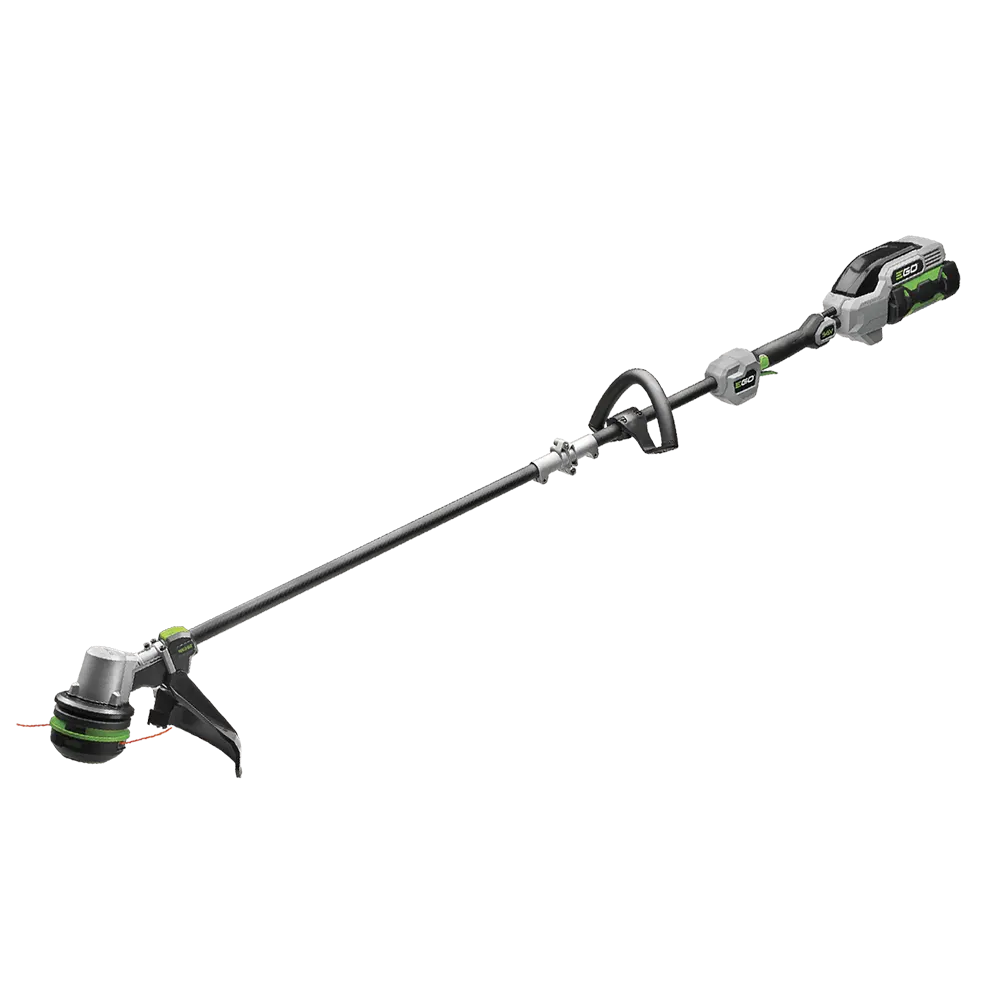
EGO ST1521S
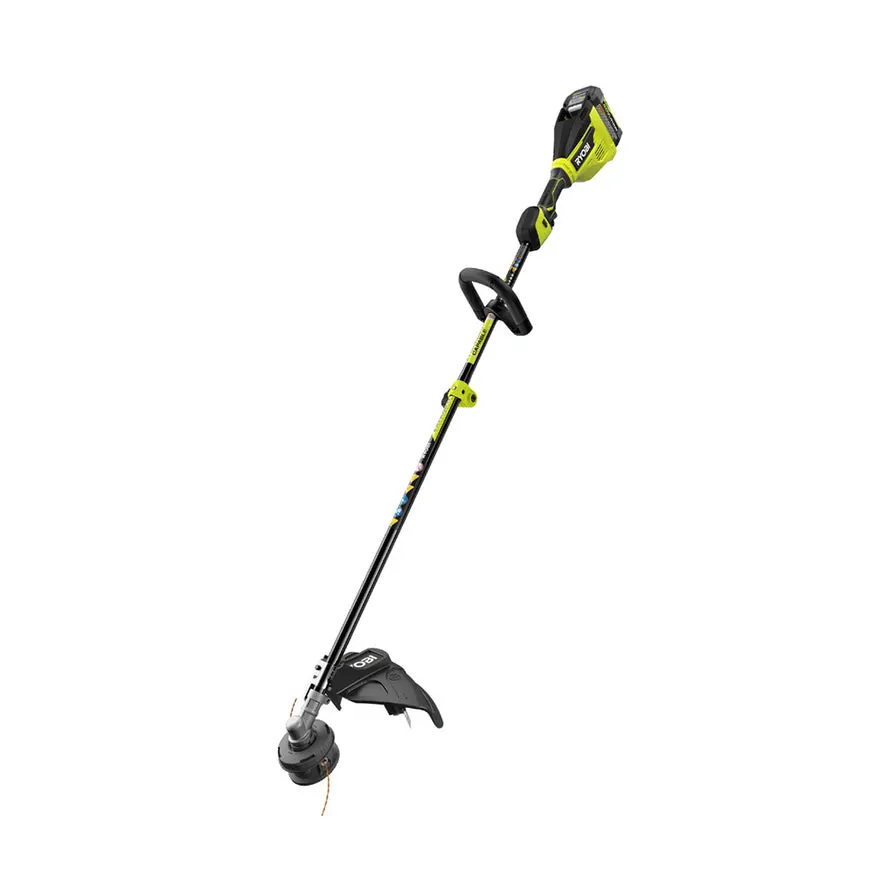
Ryobi RY40250
| Spec | EGO ST1521S | Ryobi RY40250 |
|---|---|---|
| Voltage | 56V ARC Lithium | 40V MAX lithium-ion |
| Motor | Brushless high-efficiency | Brushless |
| Cutting swath | 15 in. fixed | 13–15 in. adjustable |
| Line diameter | 0.095 in. twisted | 0.080 in. dual line |
| Head type | POWERLOAD auto-wind cartridge | Reel Easy+ bump-feed |
| Weight (with battery) | 11.97 lbs (with 2.5Ah) | 8.92 lbs (with 4.0Ah) |
| Included battery | 2.5Ah 56V + charger | 4.0Ah 40V + charger |
| Attachment capability | No (fixed powerhead) | Yes — Expand-It system |
| Tool warranty | 5-year limited | 5-year limited |
| Price range | $200–$230 | $149–$179 |
Two paths to the same job
The EGO ST1521S and Ryobi RY40250 represent two thoughtful but different answers to the residential string trimmer question. EGO built the ST1521S around peak performance: a 56V platform that holds line speed through tough vegetation, an automatic POWERLOAD head that removes the worst friction point of trimmer ownership, and a carbon fiber shaft with a lifetime warranty. Ryobi built the RY40250 around versatility and value: a capable 40V brushless motor, a generous 4.0Ah battery, and an Expand-It attachment system that turns one powerhead into the foundation of a multi-tool yard care platform.
Both cost in the $150–$230 range and include a battery and charger. Neither is the wrong answer. Understanding which trade-offs fit your yard, your budget, and your existing tool investment is where the decision lives.
Voltage and cutting performance
EGO's 56V platform operates at a nominal voltage roughly 40 percent higher than the Ryobi's 40V system. For a brushless motor driving a trimmer head, higher voltage allows the motor to resist speed-drop under load more effectively — meaning the line tip maintains speed longer when it encounters dense, wet, or overgrown grass rather than momentarily sagging before recovering.
On a well-maintained suburban lawn with grass trimmed weekly, both tools perform the task at comparable speed and both clear edges and borders cleanly. The EGO's voltage advantage becomes measurable in specific conditions: tall summer weeds along a fence line that has not been trimmed in three weeks, a section of ornamental grass gone unchecked for a season, or a late-fall cleanup where grass has grown thick and damp. In those scenarios the EGO sustains cutting pace better and requires fewer passes, while the Ryobi completes the same job with more technique and occasionally a second pass on the densest patches.
For the buyer whose yard requires seasonal heavy-growth cleanup, the EGO's performance justifies the premium. For the buyer maintaining a tidy residential lawn on a regular schedule, the Ryobi's 40V brushless is fully adequate.
POWERLOAD versus Reel Easy+: the line management comparison
Line reloading is the task that defines trimmer ownership satisfaction more than any spec. The EGO's POWERLOAD head winds new line automatically: cut a length of 0.095-inch twisted line, insert it into the slot, and press the button on the guard. The motor winds the spool in under fifteen seconds. Pre-loaded cartridges eliminate even that step — snap in a cartridge and go. The system is fast, reliable, and eliminates the fumbling and spring-ejection drama of traditional bump-feed heads.
Ryobi's Reel Easy+ is the best bump-feed alternative in its class. Pre-wound drop-in spools eliminate manual winding: pop the bump cap, drop in a spool, replace the cap, and you are done in under 60 seconds. Traditional line can also be manually wound for bulk-line buyers. The mechanism is reliable in standard use; the auto-advance feature tends to over-feed on some trimming angles and is better left in manual bump mode for experienced users.
The gap between POWERLOAD and Reel Easy+ is real but narrower in practice than it appears on a feature list. Both systems reload in under a minute. POWERLOAD is genuinely more convenient; Reel Easy+ is genuinely better than traditional bump-feed. Neither is a reason on its own to swing the purchase decision — it is the combination with voltage, weight, and price that makes the choice.
Weight and fatigue: the case for Ryobi
At 11.97 lbs with the 2.5Ah battery installed, the EGO is one of the heavier trimmers in the residential class. Ryobi's RY40250 at 8.92 lbs with its 4.0Ah pack is meaningfully lighter despite carrying more battery capacity. That 3-lb gap is the number that drives most recommendations toward the Ryobi for users with shoulder, wrist, or lower-back concerns.
The EGO's carbon fiber straight shaft and balanced weight distribution mitigate some of the fatigue — the tool does not tip forward aggressively, and the balance point sits close to the grip. But 12 lbs remains 12 lbs over a 30-minute session with repeated directional changes, low-angle edging, and reaching under shrubs. If trimming sessions regularly extend beyond 20 minutes or the operator has mobility concerns, the Ryobi's lighter build is the more practical choice for the weekly yard task.
Battery and runtime
Ryobi bundles the larger battery in the kit: 4.0Ah versus EGO's 2.5Ah. On paper that gives the Ryobi roughly 60 percent more energy storage, translating to 40 to 60 minutes of runtime versus 30 to 40 minutes on the EGO's included cell. For a larger lot or a user who trims in extended sessions, the Ryobi's battery is an underappreciated advantage.
Both platforms accept larger batteries: drop a 5.0Ah or 7.5Ah EGO pack into the ST1521S, or use a 6.0Ah Ryobi 40V pack in the RY40250, and the runtime gap reverses toward whichever tool has the bigger battery. Neither platform is battery-limited by design. The comparison of included battery capacity is really about out-of-box value, and the Ryobi wins that specific metric at a lower price.
Attachment versatility: a Ryobi exclusive at this price
The EGO ST1521S is a dedicated trimmer — one tool, one function. Its split shaft allows disassembly for storage, but the powerhead does not accept additional tool heads. EGO does sell a separate multi-head platform for attachment capability, but that is a different purchase.
Ryobi's Expand-It system is built into the RY40250 from the start. The powerhead's coupling accepts edger, hedge trimmer, blower, pole saw, and cultivator attachments — each adds a yard tool function without adding a battery platform. For a homeowner building out yard care capability on a budget, one $159 powerhead investment and a sequence of $50–$80 attachments over time is a meaningfully different economic model than buying separate dedicated tools.
If you want one tool that covers edging, trimming, and light hedge work from a single battery, the Ryobi is the only option in this comparison.
Verdict
Choose the EGO ST1521S when your yard regularly demands sustained cutting through heavy or overgrown vegetation, when POWERLOAD's reload speed will make a difference in your trimming routine, or when you are already invested in the EGO 56V platform and want the best residential trimmer on it.
Choose the Ryobi RY40250 when budget is a genuine consideration, when the lighter weight matters for your specific use, when you want Expand-It attachment capability to build out a multi-tool platform, or when your yard is modest enough that 40V brushless performance covers it completely.
Advertisement
Frequently asked questions
- Is the EGO ST1521S meaningfully better than the Ryobi RY40250 for a typical suburban yard?
- For a standard residential lawn with maintained grass and moderate weed growth, both trimmers do the job well and most homeowners would not notice a clear performance gap between them. The EGO's 56V advantage becomes apparent on tall, wet, or overgrown vegetation where the higher-voltage motor holds line tip speed more consistently through heavy growth. For a quarter-acre lot with routine weekly trimming, the Ryobi is fully capable and costs less with a larger battery included.
- How does POWERLOAD compare to Ryobi's Reel Easy+ bump-feed head?
- POWERLOAD is faster and less frustrating. You insert a length of 0.095-inch line into the head slot and press a button; the head winds the spool in about ten seconds. Ryobi's Reel Easy+ accepts pre-wound drop-in spools that swap in under 60 seconds without hand-winding, which is also much better than traditional manual-wind heads. The gap in real-world use is smaller than advertising implies — both systems are significantly quicker than traditional bump-feed reloading — but POWERLOAD is genuinely more convenient when line runs low mid-session.
- Which trimmer is better for a homeowner with a bad back or shoulder problems?
- The Ryobi RY40250 is the better choice. At 8.92 lbs with its 4.0Ah battery installed, it is roughly 3 lbs lighter than the EGO ST1521S with its included 2.5Ah pack at 11.97 lbs. That 3-lb difference is felt progressively over a 20-to-30 minute trimming session, particularly during low-angle work along fence lines and garden beds where wrist and forearm loads accumulate. If fatigue is a genuine concern, the Ryobi's lighter trim is the more practical choice.
- Can the Ryobi RY40250 use attachments from other brands?
- Yes. Ryobi's Expand-It coupler is designed to accept universal attachments labeled as Expand-It compatible from third-party brands, broadening available options beyond Ryobi's own lineup. First-party attachments include edger, hedge trimmer, pole saw, cultivator, and blower heads. The attachment system is one of the RY40250's most compelling features for homeowners building a multi-tool yard care setup around a single powerhead and battery platform.
- Does a larger battery in the Ryobi make up for the lower 40V voltage?
- Partially. The Ryobi's 4.0Ah kit battery provides longer runtime than the EGO's included 2.5Ah cell — roughly 40 to 60 minutes versus 30 to 40 minutes — which is a real advantage for larger lots or longer sessions. Battery capacity (Ah) determines runtime; voltage determines how hard the motor can sustain peak speed under load. So the Ryobi runs longer per charge but at lower peak cutting speed through heavy growth. For routine maintenance trimming the larger battery is more useful day-to-day; for tough vegetation, the EGO's voltage advantage is the deciding factor.
Ready to buy the ST1521S?
We may earn a commission if you buy through these links, at no extra cost to you.